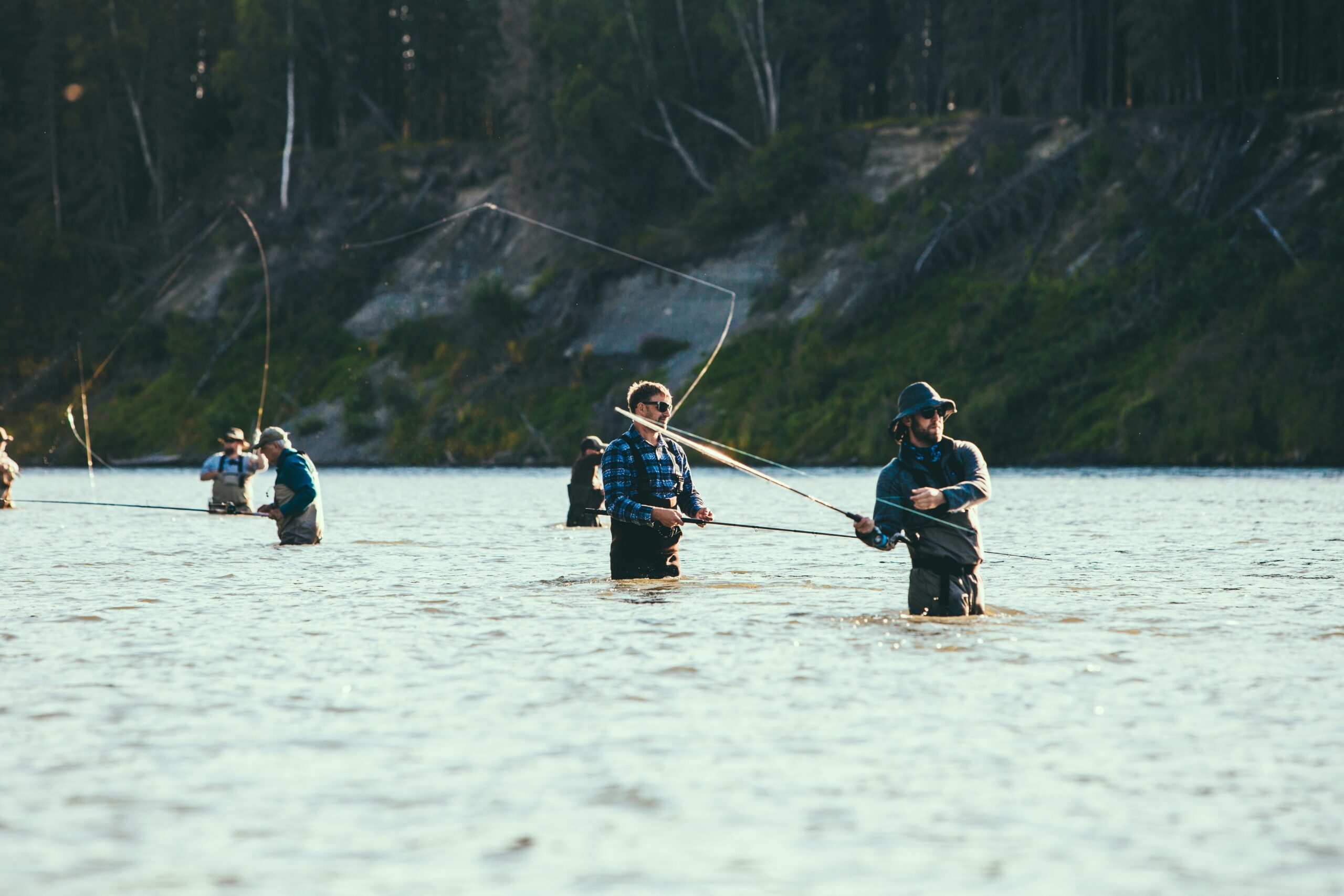
Fly fishing is a rewarding outdoor activity that blends patience, skill, and a connection to nature. Unlike traditional fishing, it uses a lightweight lure called a fly to imitate insects on the water’s surface. For beginners, the sport may seem complex at first, but with the right guidance and a bit of practice, it becomes both accessible and deeply enjoyable.
What Is Fly Fishing?
Fly fishing is a method of angling that relies on casting a nearly weightless artificial fly using a specialized rod, reel, and line. The goal is to mimic natural food sources, such as insects, which fish such as trout, bass, and salmon feed on regularly. This technique requires a unique casting motion that uses the weight of the line, rather than the lure, to propel the fly forward.
The appeal of fly fishing goes beyond catching fish. Many anglers enjoy the peaceful environments where it takes place, such as rivers, streams, and lakes. It encourages observation, patience, and an appreciation for ecosystems, making it both a sport and a relaxing outdoor experience.
Essential Fly Fishing Gear for Beginners
Getting started with fly fishing requires a few key pieces of equipment. The most important items include a fly rod, reel, fly line, and leader. Beginners should consider a medium-action rod, typically around 9 feet long, paired with a matching reel and weight-forward floating line. This setup offers versatility and is easier to control while learning.
In addition to the basics, you will need a selection of flies, polarized sunglasses, and a small tackle box. Waders and boots are optional but helpful if you plan to fish in rivers or streams. Investing in quality gear at the start can make the learning process smoother and more enjoyable.
Understanding Fly Types and When to Use Them
Flies are designed to imitate different stages of insects or small aquatic creatures. The main categories include dry flies, nymphs, and streamers. Dry flies float on the water’s surface and are used when fish are feeding on top. Nymphs sink below the surface and represent immature insects, while streamers mimic small fish or leeches.
Choosing the right fly depends on the conditions and the fish’s behavior. Observing the water and noting what insects are present can help you select an effective fly. Beginners should start with a small assortment and learn how each type behaves in different situations.
Basic Fly Casting Techniques
Casting is one of the most important skills in fly fishing. Unlike traditional casting, fly casting involves a rhythmic back-and-forth motion that loads the rod and releases energy through the line. The most common technique is the overhead cast, which forms a loop in the air before placing the fly gently on the water.
Practice is essential to develop accuracy and control. Beginners should start in an open area, such as a field, before moving to the water. Focus on smooth, controlled movements rather than force, as timing and technique matter more than strength in fly casting.
Choosing the Right Fishing Location
Selecting a good location can greatly improve your chances of success. Rivers and streams are popular for fly fishing because they often host trout. Look for areas where water flows over rocks, bends in the river, or deeper pools, as these spots tend to attract fish.
Lakes and ponds can also be productive, especially for species like bass and panfish. Pay attention to the time of day and weather conditions, as fish are more active during early morning and late evening. Understanding fish behavior and habitat will help you find the best spots.
Reading the Water Like a Pro
Reading the water is a crucial skill that helps you identify where fish are likely to be. Fish tend to conserve energy while waiting for food to drift by, so they often position themselves in slower currents near faster-moving water. Areas such as eddies, seams, and drop-offs are prime locations.
Take time to observe the water before casting. Look for rising fish, subtle movements, or changes in current. Learning to interpret these signs will improve your accuracy and increase your chances of making a successful catch.
Tips for a Successful First Fly Fishing Trip
Preparation can make your first fly fishing experience more enjoyable. Start by checking local regulations and obtaining any required licenses. Dress appropriately for the weather, and bring essentials like water, snacks, and sunscreen. Being comfortable allows you to focus on learning and enjoying the activity.
Patience is key when starting. You may not catch fish immediately, and that is completely normal. Focus on improving your casting, understanding the environment, and enjoying the process. Over time, your skills will develop, and success will follow.
Common Beginner Mistakes to Avoid
Many beginners make the mistake of using too much force when casting, which can lead to poor accuracy and tangled lines. Instead, concentrate on smooth, controlled movements. Another common error is choosing the wrong fly for the conditions, which can reduce your chances of attracting fish.
Ignoring the importance of observation is another pitfall. Taking a few minutes to study the water, weather, and insect activity can make a significant difference. Avoid rushing, and remember that fly fishing is as much about learning and adapting as it is about catching fish.
Why Fly Fishing Is Worth Learning
Fly fishing offers more than just the thrill of catching fish. It provides an opportunity to disconnect from daily stress and reconnect with nature. The combination of skill, strategy, and peaceful surroundings makes it a unique and fulfilling hobby.
As you gain experience, fly fishing becomes even more rewarding. Each trip offers new challenges and learning opportunities. Whether you are seeking relaxation or adventure, this timeless sport has something to offer for everyone willing to give it a try.