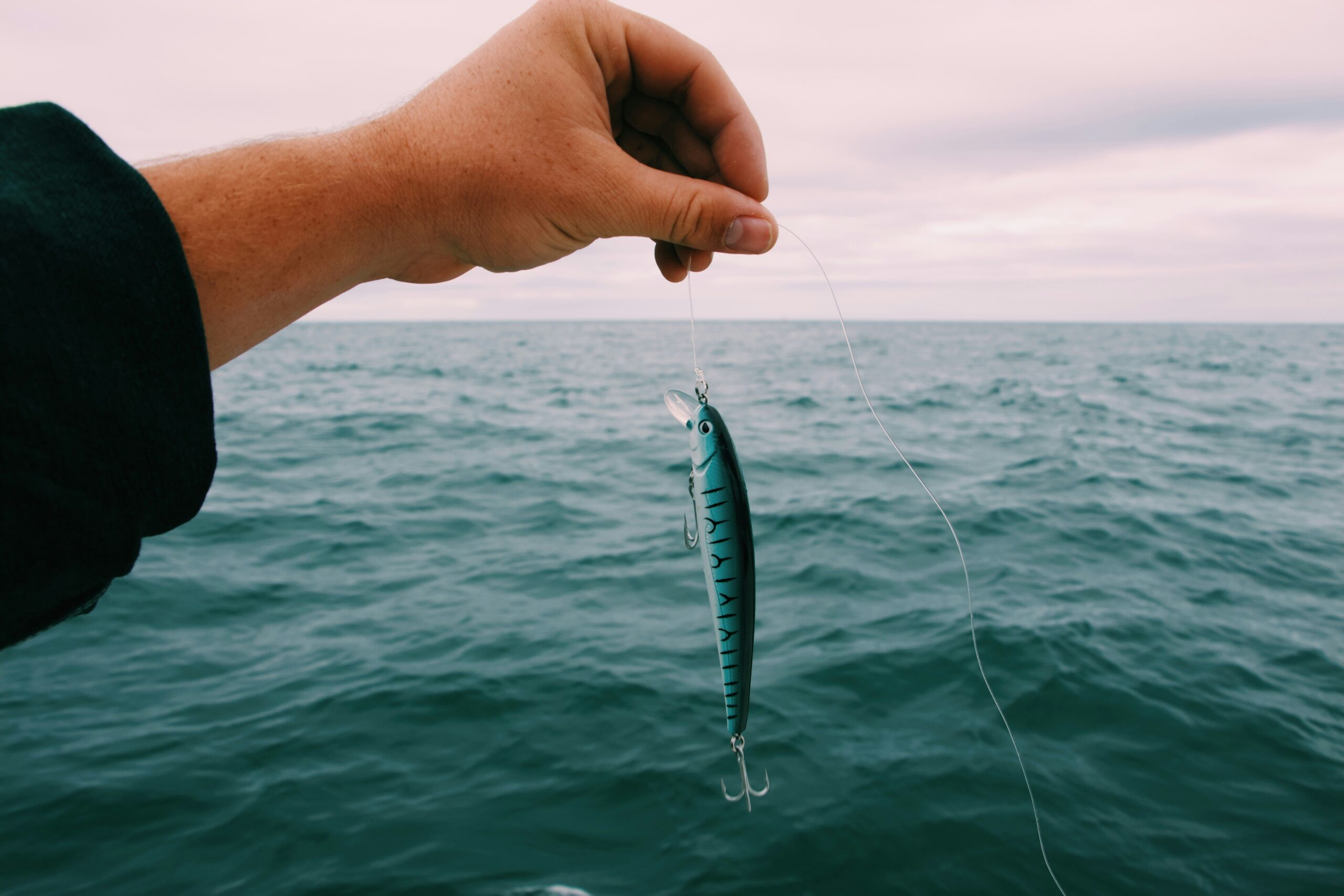
Fly fishing is often seen as an elegant and almost meditative form of angling, but for beginners, it can feel intimidating at first. The gear looks different, the casting technique seems complex, and the terminology can be confusing. However, once you understand the basics, fly fishing becomes an incredibly rewarding experience that connects you deeply with nature.
Unlike traditional fishing, where the weight of the lure carries the line, fly fishing relies on the weight of the line itself to deliver a lightweight artificial fly to the water. This unique approach allows anglers to mimic insects and other natural food sources with remarkable precision. Whether you are drawn to quiet mountain streams or wide rivers, fly fishing opens up a new world of outdoor adventure.
Understanding Fly Fishing Basics
At its core, fly fishing is about imitation. Anglers use artificial flies that resemble insects, baitfish, or other prey that fish naturally feed on. These flies are tied using feathers, fur, and synthetic materials, creating lifelike patterns that can fool even the most cautious fish.
The technique involves casting a specialized line with a rhythmic motion that differs significantly from spinning or baitcasting. Beginners often struggle with timing and control, but with practice, the casting motion becomes smooth and almost instinctive. The goal is to present the fly gently on the water, making it appear as natural as possible.
Essential Gear for Beginners
Starting with the right equipment can make a huge difference in your learning experience. A basic fly fishing setup includes a fly rod, reel, fly line, leader, tippet, and a selection of flies. For beginners, a medium-action rod around 9 feet in length and a weight of 5 or 6 is a versatile choice suitable for many conditions.
The reel primarily serves as storage for the line, but it also plays a role in fighting larger fish. Fly lines come in different types, such as floating and sinking, each suited for specific fishing situations. Investing in a well-balanced outfit rather than buying the cheapest option will help you develop your skills more effectively.
Choosing the Right Flies
Flies are designed to imitate the natural food sources of fish, and selecting the right one depends on the environment and season. Dry flies float on the water’s surface and mimic adult insects, while nymphs represent immature insects below the surface. Streamers imitate small fish or larger prey and are often used to target aggressive species.
For beginners, it is best to start with a small, versatile selection rather than an overwhelming assortment. Learning how fish respond to different patterns is part of the experience. Observing the water, looking for insect activity, and asking local anglers for advice can help you make better choices.
Learning the Casting Technique
Casting is one of the most distinctive aspects of fly fishing. The basic motion involves lifting the line out of the water, moving it backward, and then moving it forward again in a controlled loop. Timing and smooth acceleration are more important than force, and beginners should focus on technique rather than distance.
Practicing on grass before heading to the water can help build confidence without the added challenge of currents and obstacles. Short, accurate casts are far more effective than long, uncontrolled ones. With time and repetition, your casting will become more precise and efficient.
Reading the Water
Understanding where fish are likely to be is just as important as how you cast. Fish tend to hold in areas where they can find food with minimal effort while staying protected from predators. Look for seams in the current, deeper pools, and areas behind rocks or submerged structures.
Careful observation of the water can reveal subtle clues, such as rising fish or drifting insects. Learning to read these signs will significantly increase your chances of success. Patience and attention to detail are key skills that develop over time.
Basic Knots and Rigging
Properly setting up your gear ensures that everything functions smoothly while fishing. Knots are an essential part of fly fishing, connecting your line to the leader, the leader to the tippet, and the tippet to the fly. Common knots include the improved clinch knot and the loop knot.
Taking the time to learn a few reliable knots will save you frustration on the water. Practice tying them at home until they become second nature. A well-tied knot not only improves performance but also prevents lost fish and equipment.
Understanding Fish Behavior
Fish behavior is influenced by factors such as water temperature, time of day, and food availability. Many species feed more actively during early morning and late evening when conditions are cooler, and insects are more abundant.
Seasonal changes also play a role. In colder months, fish may stay in deeper, slower water, while in warmer conditions, they move to faster currents where oxygen levels are higher. Paying attention to these patterns helps you adapt your approach and choose the right techniques.
Common Beginner Mistakes
One of the most common mistakes beginners make is trying to cast too far too soon. Focus on short, accurate casts instead of distance. Another frequent issue is using the wrong fly or presenting it unnaturally, which can scare fish away.
Overcomplicating the process can also be a barrier. Fly fishing does not require mastering everything at once. Start with the basics, keep your setup simple, and gradually build your knowledge and skills. Learning from mistakes is part of the journey.
Tips for a Successful First Trip
Preparation is essential for a positive first experience. Choose a location known for beginner-friendly conditions, such as a well-stocked river or pond. Bring the necessary gear, check the weather, and make sure you have any required permits or licenses.
Consider going with an experienced angler or hiring a guide for your first outing. Their knowledge can shorten the learning curve and help you avoid common pitfalls. Most importantly, approach the experience with patience and an open mind.
Why Fly Fishing Is Worth It
Fly fishing offers more than just the thrill of catching fish. It encourages mindfulness, observation, and a deeper appreciation for nature. The rhythmic casting, the sound of flowing water, and the challenge of matching the hatch create a unique and rewarding experience.
As you gain confidence and skill, fly fishing becomes a lifelong pursuit that continues to evolve. Each trip brings new lessons and discoveries, making it a hobby that never feels repetitive. For beginners willing to invest time and effort, the rewards are well worth it.