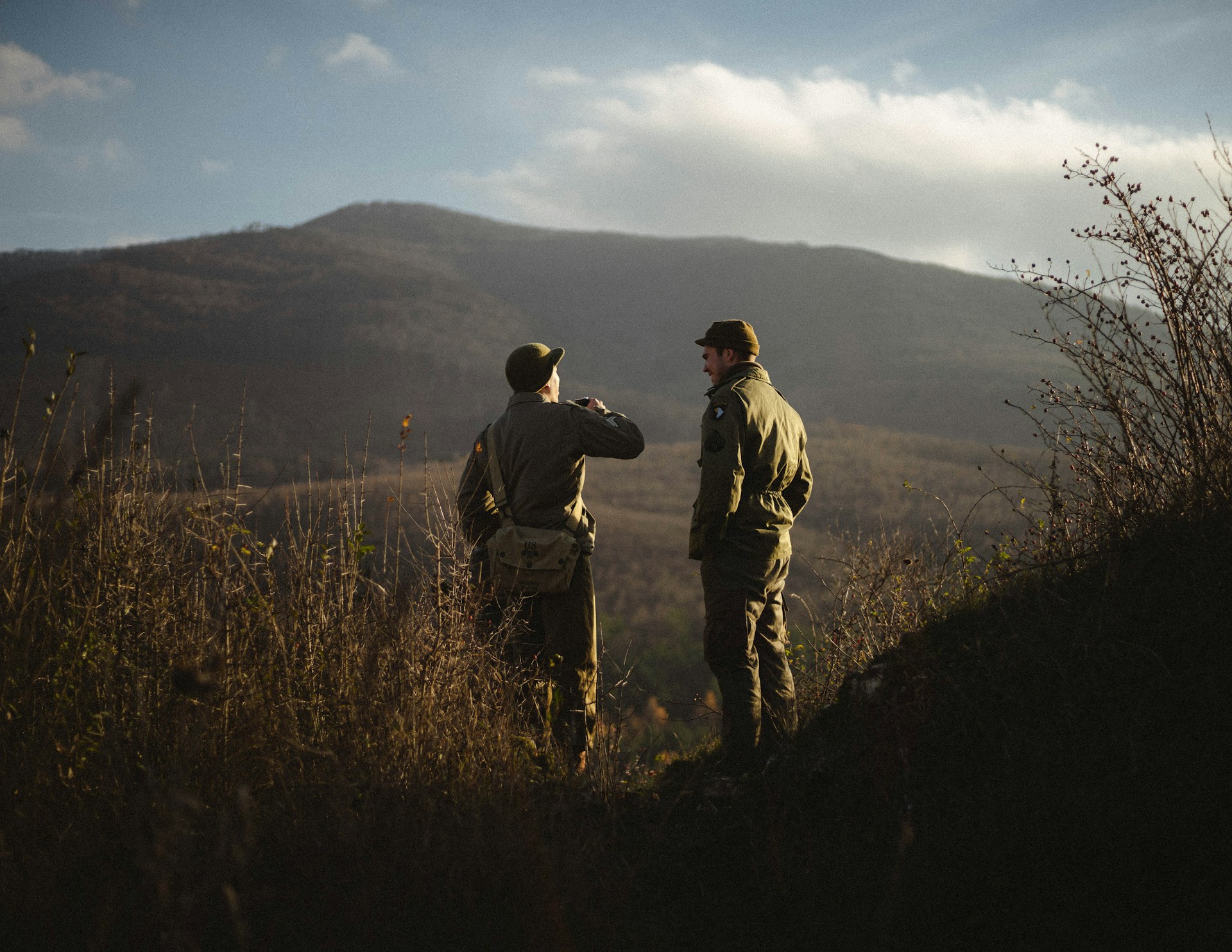
Becoming a skilled deer hunter requires more than enthusiasm for outdoor adventure. It involves understanding wildlife, developing practical abilities, and making thoughtful decisions. Learning about mature buck behavior helps hunters appreciate the complex relationship between deer and their surroundings. Larger deer often have years of experience adapting to environmental changes. Their development depends on habitat quality, available food, and overall health. Hunters can expand their knowledge by studying these natural factors. Spending time in different outdoor environments also provides valuable learning opportunities. Every season brings fresh challenges that encourage hunters to improve their abilities. Developing dependable deer hunting techniques requires commitment and personal discipline. Hunters should recognize that meaningful progress rarely happens overnight. Building confidence involves overcoming challenges and learning from unfamiliar situations. Personal safety must remain important throughout this learning process. A balanced approach to hunting allows individuals to develop stronger outdoor skills while respecting wildlife and natural resources.
Explore the Factors That Influence Antler Development
Antler growth is one of the most interesting aspects of deer biology. Many hunters admire larger bucks because of their impressive physical features. However, antler size depends on several natural factors rather than age alone. Genetics plays an important role in determining how antlers develop. Good nutrition also supports healthy growth throughout the warmer months. Deer require suitable amounts of protein, minerals, and other nutrients. Poor environmental conditions can affect their physical development over time. Severe winters may place additional stress on local deer populations. Healthy vegetation provides essential resources that support animal growth. Wildlife specialists study these factors to understand changes in deer populations. Hunters can expand their knowledge by reading educational materials about deer biology. Understanding antler development helps create realistic expectations about larger bucks. It also encourages hunters to appreciate the importance of healthy habitats. Physical appearance alone does not always provide an accurate picture of an animal’s overall health.
Create a Personal Training Schedule Between Seasons
The months between hunting seasons provide excellent opportunities for personal improvement. Hunters can use this time to develop abilities that support future outdoor adventures. A regular walking routine can improve endurance and general fitness. Stretching exercises may help maintain flexibility during demanding physical activities. Learning to read maps provides useful knowledge for exploring unfamiliar landscapes. Hunters can also attend approved safety courses to refresh their understanding of essential procedures. Developing reliable hunting safety habits encourages responsible behavior in different outdoor settings. Practicing basic emergency response skills can help individuals feel more prepared for unexpected problems. Regular equipment inspections allow hunters to identify items that need repair or replacement. Setting small training goals makes personal improvement easier to manage. A simple calendar can help hunters maintain a consistent practice schedule. Training should match each person’s experience, physical condition, and available time. Building skills gradually reduces unnecessary pressure and supports steady progress. Consistent preparation helps hunters enter a new season with greater confidence.
Understand the Importance of Clear Communication Outdoors
Communication becomes especially important when hunters share outdoor spaces with other people. Hunting partners should discuss their plans before entering unfamiliar areas. Everyone needs to understand property boundaries and general safety expectations. Sharing important information can prevent confusion during outdoor activities. Reliable communication devices may provide additional support in remote locations. However, electronic devices do not always work in areas with limited network coverage. Hunters should prepare for situations where regular communication becomes unavailable. Family members should know the general location and expected return time of each trip. Hunting partners must respect individual comfort levels and physical limitations. Clear discussions help groups make responsible decisions when conditions change. Friendly communication with landowners can also prevent misunderstandings about property access. Hunters should remain respectful when meeting hikers, campers, and other outdoor visitors. Positive interactions encourage cooperation among people who enjoy natural environments. Strong communication skills complement traditional deer hunting techniques and contribute to safer outdoor experiences. These abilities become increasingly valuable during longer trips and challenging weather conditions.
Manage Outdoor Challenges Without Losing Motivation
Hunting can involve disappointment, discomfort, and unexpected changes in plans. These challenges are a normal part of spending time in natural environments. Hunters should avoid measuring every experience by the size of an animal. Personal improvement can provide satisfaction even when a trip does not produce the desired outcome. Developing a positive attitude helps individuals remain interested in learning. Setting realistic expectations can reduce frustration during difficult hunting seasons. Hunters may benefit from keeping records of their personal achievements. These achievements could include improved fitness, stronger navigation abilities, or better equipment organization. Recognizing small improvements encourages continued effort throughout the year. Outdoor activities also provide opportunities to disconnect from everyday distractions. Spending time in nature may help individuals appreciate simple experiences. Hunters should allow themselves enough rest between physically demanding trips. Maintaining a healthy balance between hunting and other responsibilities supports long-term enjoyment. Personal motivation often grows when individuals focus on learning rather than competition. A flexible mindset makes it easier to handle setbacks and maintain enthusiasm for future outdoor adventures.
Expand Your Knowledge Through Local Wildlife Education
Local wildlife education programs offer valuable resources for hunters who want to improve their understanding of deer. Many state wildlife agencies publish information about animal populations and environmental conditions. These materials can explain how habitat changes influence regional wildlife. Educational events may also introduce hunters to experienced conservation specialists. Learning about native plants provides additional insight into natural food resources. Understanding wildlife diseases helps hunters recognize the importance of animal health. Responsible hunters should report suspected wildlife health concerns to appropriate authorities. Supporting deer conservation programs can contribute to the protection of natural habitats and regional wildlife populations. Educational opportunities also help hunters understand the purpose of seasonal restrictions and licensing requirements. These rules often reflect careful research and long-term management goals. Hunters can share accurate information with friends and family members who enjoy outdoor recreation. Community education encourages greater respect for wildlife and responsible land use. Staying informed about environmental developments helps hunters adapt their understanding over time. Continued learning strengthens the knowledge needed to enjoy hunting while supporting the protection of America’s natural resources.