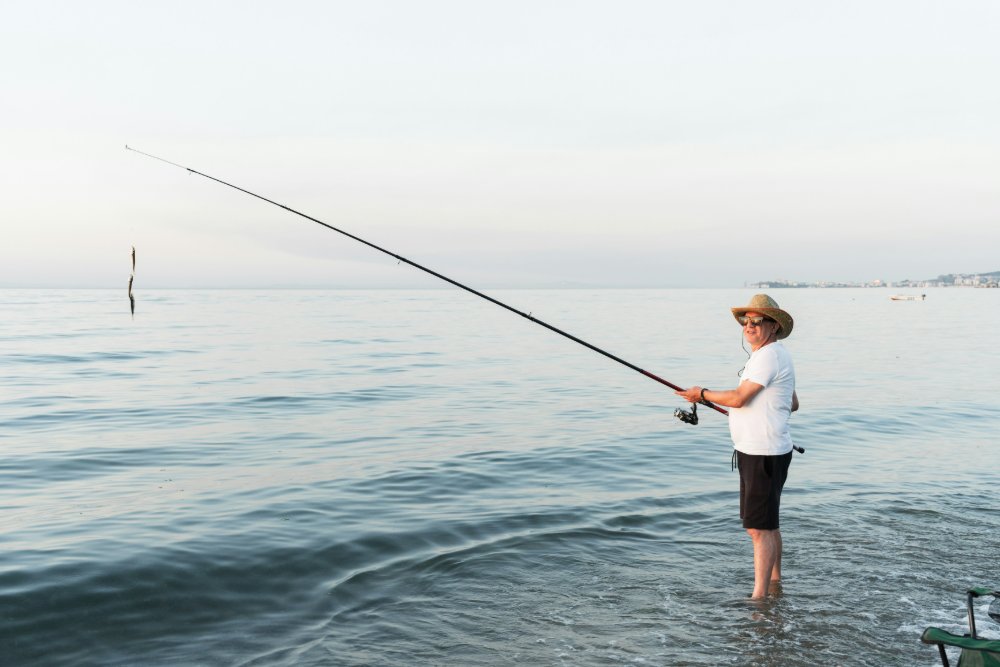
Coastal fishing offers an exciting way to explore nature while enjoying the challenge of catching fish. From sandy beaches to rocky shorelines, coastal waters provide many opportunities for beginners and experienced anglers. However, success requires more than casting a line into the ocean. Understanding the right equipment, choosing suitable bait, and learning effective coastal fishing techniques can make each trip more productive.
Unlike freshwater fishing, coastal angling involves changing tides, strong currents, and different water conditions. These factors influence where fish gather and how they respond to bait. With proper preparation and practical knowledge, anglers can improve their skills and enjoy a safer, more rewarding experience.
Understanding Coastal Fishing Environments
Coastal environments include beaches, piers, jetties, estuaries, and rocky shorelines. Each location offers different fishing opportunities. Sandy beaches often attract fish searching for food near the bottom. Meanwhile, rocky areas provide shelter for smaller marine creatures, which attract larger predators. Estuaries combine fresh and saltwater, creating productive feeding areas for many species.
Before choosing a fishing location, anglers should observe water movement, depth, and nearby structures. Fish frequently gather around sandbars, underwater rocks, and channels where food travels with the current. Watching seabirds and baitfish activity can also reveal feeding areas. Understanding these natural patterns helps anglers select productive spots instead of relying on guesswork.
Choosing the Right Fishing Rod and Reel
A reliable fishing rod forms the foundation of an effective coastal setup. Most beginners benefit from a medium or medium-heavy spinning rod because it provides flexibility and control. Rods measuring seven to nine feet work well for many shoreline situations. Longer surf rods can help anglers cast farther when fishing from open beaches.
Spinning reels are popular because they are easy to operate and handle different fishing conditions. Choose a reel with smooth drag, a suitable line capacity, and materials designed to resist saltwater corrosion. Matching the reel with the rod improves casting performance and reduces strain. After every trip, gently rinse the equipment with fresh water and follow the manufacturer’s cleaning instructions.
Selecting Fishing Lines, Hooks, and Other Tools
Fishing lines influence casting distance, sensitivity, and overall performance. Monofilament lines provide flexibility and are generally affordable. Braided lines offer greater sensitivity and strength with a thinner diameter. Fluorocarbon leaders can provide abrasion resistance near rocks and shells. The best combination depends on the target species, fishing location, and water conditions.
Hooks, sinkers, swivels, and pliers also play important roles. Circle hooks are useful for many bait fishing situations because they can reduce deep hooking when used correctly. Sinkers help keep bait near the desired depth, while swivels reduce line twisting. Anglers should carry a small tackle box containing spare hooks, leaders, sinkers, line cutters, and basic repair tools.
Finding Effective Natural Baits for Coastal Fish
Natural bait remains a dependable option for many saltwater species. Shrimp, squid, small baitfish, and marine worms attract fish through their scent and movement. Fresh bait often performs well because it resembles the food available in coastal waters. However, effectiveness depends on local species, seasons, and feeding habits.
Anglers should match bait size to the fish they want to catch. Small bait pieces may attract smaller fish, while larger offerings can appeal to certain predators. Secure the bait carefully so it stays attached during casting and water movement. Keep bait chilled, follow local collection rules, and avoid introducing nonnative organisms into coastal ecosystems.
Using Artificial Lures to Attract More Fish
Artificial lures allow anglers to cover water while imitating moving prey. Soft plastic lures resemble shrimp, small fish, or other marine creatures. Metal spoons produce flashes that can attract predators in open water. Topwater lures create surface movement and may encourage strikes from actively feeding fish.
Choosing the correct lure depends on water clarity, current strength, and fish behavior. Bright colors may improve visibility in cloudy water, while natural patterns can work well in clear conditions. Anglers should experiment with retrieval speed and movement. Slow presentations sometimes attract cautious fish, while faster retrieves can trigger reactions from aggressive predators.
Improving Casting Accuracy and Retrieval Skills
Accurate casting helps anglers place bait near productive structures without wasting time. Beginners should practice smooth movements rather than relying on excessive force. A controlled overhead cast works well in open areas, while shorter side casts may help around obstacles. Always check behind the casting area to protect nearby people.
Retrieval techniques also influence fishing success. Instead of reeling at a constant speed, anglers can introduce short pauses or gentle rod movements to imitate natural prey. When using bait, maintaining enough line tension helps detect bites without pulling the bait away. Practicing these methods develops confidence and improves overall control.
Understanding Tides, Currents, and Weather Conditions
Tides influence fish movement by changing water depth and carrying food through coastal areas. Many fish become more active during moving tides, although feeding patterns vary by location and species. Incoming tides may bring fish closer to shore, while outgoing tides can concentrate movement around channels and drainage areas.
Weather conditions also affect fishing safety and performance. Strong winds can reduce casting accuracy, while rough waves may make certain locations dangerous. Anglers should review local forecasts, tide predictions, and marine warnings before leaving home. Avoid fishing during thunderstorms, dangerous surf, or rapidly changing conditions. Planning around favorable weather creates a safer and more comfortable experience.
Identifying Productive Shoreline Fishing Locations
Finding the right location often matters more than using expensive equipment. Fish frequently travel along underwater channels, sandbar openings, and areas where currents meet. Piers and jetties may attract marine life by offering structure and shelter. Anglers can study these features during low tide to understand how the shoreline changes.
Local knowledge provides another advantage. Fishing reports, experienced anglers, and coastal wildlife agencies can offer useful information about seasonal activity. However, access rules and environmental restrictions may differ between locations. Always choose legal fishing areas and respect private property. Exploring several suitable spots can help anglers identify consistent feeding patterns.