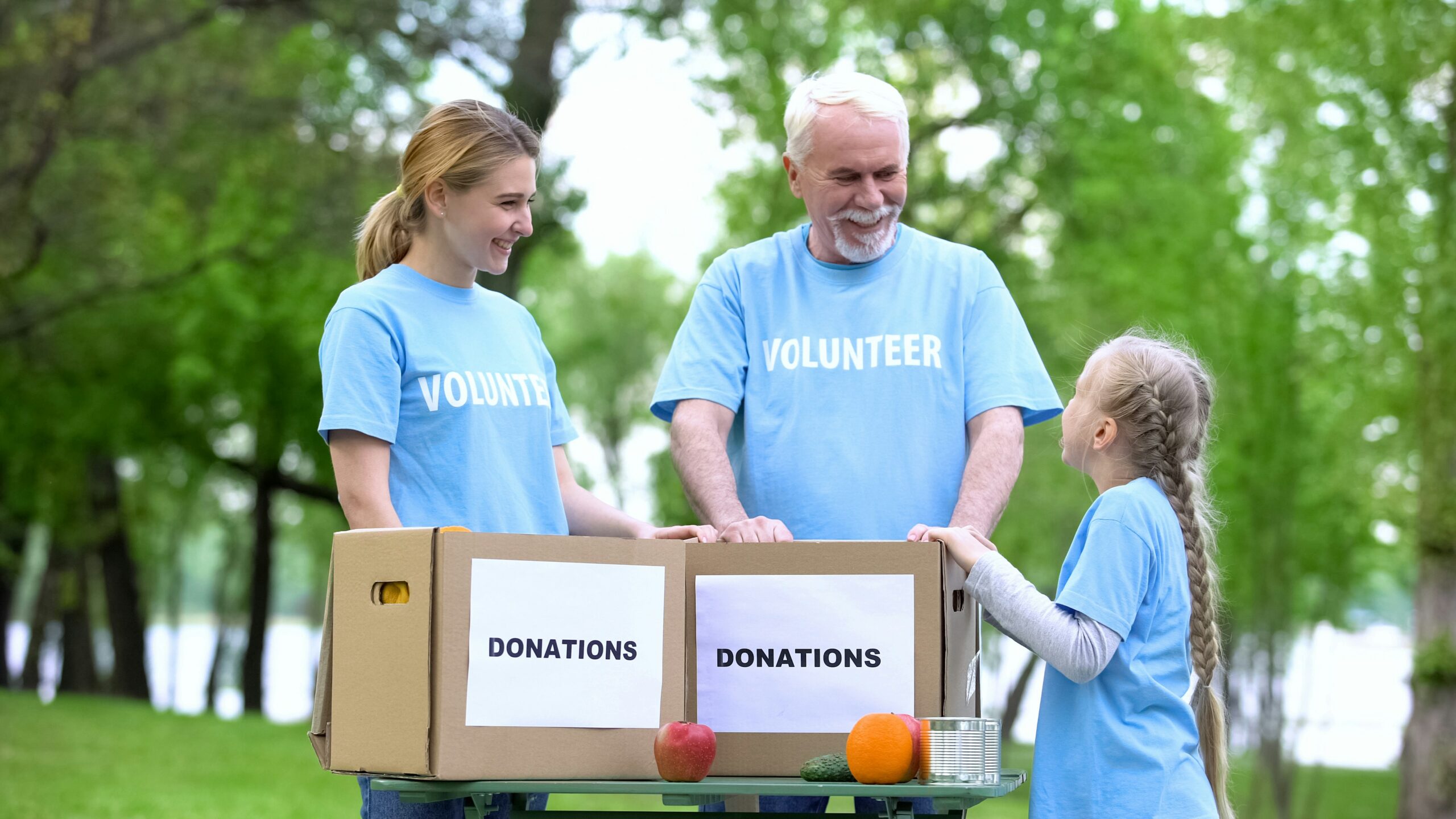
Volunteering is one of the most meaningful ways to connect with your community while creating real change. Across cities and towns in the United States, local charities rely on people who are willing to give their time, energy, and skills. As a result, volunteer opportunities continue to grow in variety and accessibility, making it easier than ever to get involved. Whether you want to support food banks, mentor youth, or help at community events, there is a place for you.
In addition, volunteering benefits organizations. It also strengthens your sense of purpose, builds new relationships, and helps you develop valuable skills. Because of this, many people see volunteering as both a personal and social investment. If you have ever wondered how to get started, this guide walks you through practical steps to find and engage with local charities in a meaningful way.
Why Volunteering Matters in Your Community
Volunteering plays a powerful role in keeping communities strong and connected. Local charities often operate on limited budgets, so they depend heavily on people willing to step in and help. For example, food pantries, shelters, and youth programs often rely on volunteers to keep daily operations running smoothly. Without this support, many essential services would struggle to meet community needs.
At the same time, volunteering creates a ripple effect. When one person gets involved, others often feel encouraged to do the same. Over time, this builds a culture of generosity and cooperation. Moreover, communities with active volunteer networks tend to respond better during emergencies and crises. As a result, the entire area becomes more resilient and supportive.
In addition, volunteering helps bridge social gaps. People from different backgrounds come together for a shared purpose, which encourages understanding and unity. Therefore, even a few hours of service each month can contribute to long-term community growth.
Finding Local Charities Near You
If you are ready to explore volunteer opportunities, the first step is finding local charities that match your interests. Fortunately, there are many simple ways to begin your search. For instance, community centers often maintain lists of nearby organizations that need help. Likewise, libraries and city websites frequently post updated volunteer listings.
You can also search online platforms dedicated to volunteer work. These websites allow you to filter opportunities by location, cause, and time commitment. In addition, social media has become a useful tool for discovering events hosted by local nonprofits. Many organizations regularly post volunteer calls and community updates on their pages.
Furthermore, word of mouth remains a strong resource. Friends, coworkers, or neighbors may already volunteer and can recommend trusted organizations. So, asking around can often lead you to meaningful opportunities that may not appear online.
Once you gather a few options, take time to learn about each organization. Read their mission statements and review the type of work they do. As a result, you can better understand where your contribution will have the most impact.
Matching Your Skills with the Right Volunteer Roles
Choosing the right volunteer role makes a big difference in your overall experience. Since everyone has different strengths, it is important to align your skills with the organization’s needs. For example, if you enjoy working with people, you might consider roles in mentoring, tutoring, or event support. On the other hand, if you prefer behind-the-scenes work, administrative tasks, or logistics might be a better fit.
Additionally, think about your availability. Some volunteer opportunities require a long-term commitment, while others focus on one-time events. Therefore, being honest about your schedule helps you find a role you can maintain consistently.
Many charities also welcome specialized skills. For instance, individuals with medical training, teaching experience, or technical knowledge can often contribute in targeted ways. However, even if you do not have professional experience, most organizations provide training. So, you can still make a meaningful impact while learning something new.
Moreover, when your skills align with your role, you are more likely to stay engaged and motivated. As a result, both you and the organization benefit from a stronger and more productive partnership.
How to Apply and Get Started
Once you find a volunteer opportunity that interests you, the next step is the application process. Most charities keep this process simple to encourage participation. Typically, you will fill out a form either online or in person. After that, some organizations may request a short orientation or background check, depending on the type of work involved.
In addition, many nonprofits offer information sessions for new volunteers. These sessions help you understand expectations, responsibilities, and safety guidelines. So, attending one can help you feel more confident before you begin.
After completing the initial steps, you will usually be scheduled for your first volunteer shift or activity. At this stage, it is helpful to ask questions and stay open to guidance. Since every organization operates differently, learning their systems early will make your experience smoother.
Furthermore, arriving on time and communicating clearly shows respect for the organization’s efforts. As a result, you build a positive reputation that may lead to more opportunities in the future.
Making the Most of Your Volunteer Experience
Volunteering becomes even more rewarding when you actively engage in the experience. To begin with, approach each opportunity with a positive attitude. Even if the tasks seem small, they often contribute to a larger mission. Therefore, every effort counts.
In addition, take time to connect with other volunteers and staff members. These relationships can lead to friendships, networking opportunities, and future collaborations. Moreover, sharing experiences with others can deepen your understanding of the cause you are supporting.
It also helps to reflect on your progress regularly. For example, think about what skills you are developing and how your contributions are making a difference. Because of this reflection, you may discover new interests or strengths you did not notice before.
At the same time, do not hesitate to communicate challenges. If something feels unclear or overwhelming, speaking up allows the organization to support you better. Consequently, your experience becomes more comfortable and productive.
Finally, stay flexible. Volunteer work can change depending on community needs, so adaptability is important. As a result, you will find it easier to stay engaged over time.
Long-term Impact and Staying Involved
While one-time volunteering is valuable, long-term involvement creates even greater impact. When you stay committed to a cause, you help organizations plan more effectively and serve more people. In addition, long-term volunteers often take on leadership roles, which increases their influence within the organization.
Furthermore, ongoing participation allows you to witness real change over time. You may see programs grow, communities improve, and individuals benefit directly from your efforts. Because of this, volunteering often becomes more meaningful the longer you stay involved.
If you want to deepen your commitment, consider becoming a regular volunteer or joining a leadership team. Many charities also offer training programs that help volunteers take on more responsibility. Therefore, you can continue growing while giving back.
At the same time, even small, consistent contributions matter. For example, volunteering a few hours each month can still create lasting value. So, consistency often matters more than quantity.
Ultimately, staying involved with local charities helps build stronger communities and a stronger sense of purpose in your own life.
Exploring volunteer opportunities: how to get involved with local charities is one of the most rewarding decisions you can make. Not only does it support essential community services, but it also enriches your personal growth. Since opportunities are widely available, getting started is easier than many people think.
By taking time to find the right organization, match your skills, and stay committed, you can make a lasting difference. In addition, you will gain experiences and relationships that add value to your life in unexpected ways. So, whether you have a few hours a month or more time to give, your contribution truly matters.