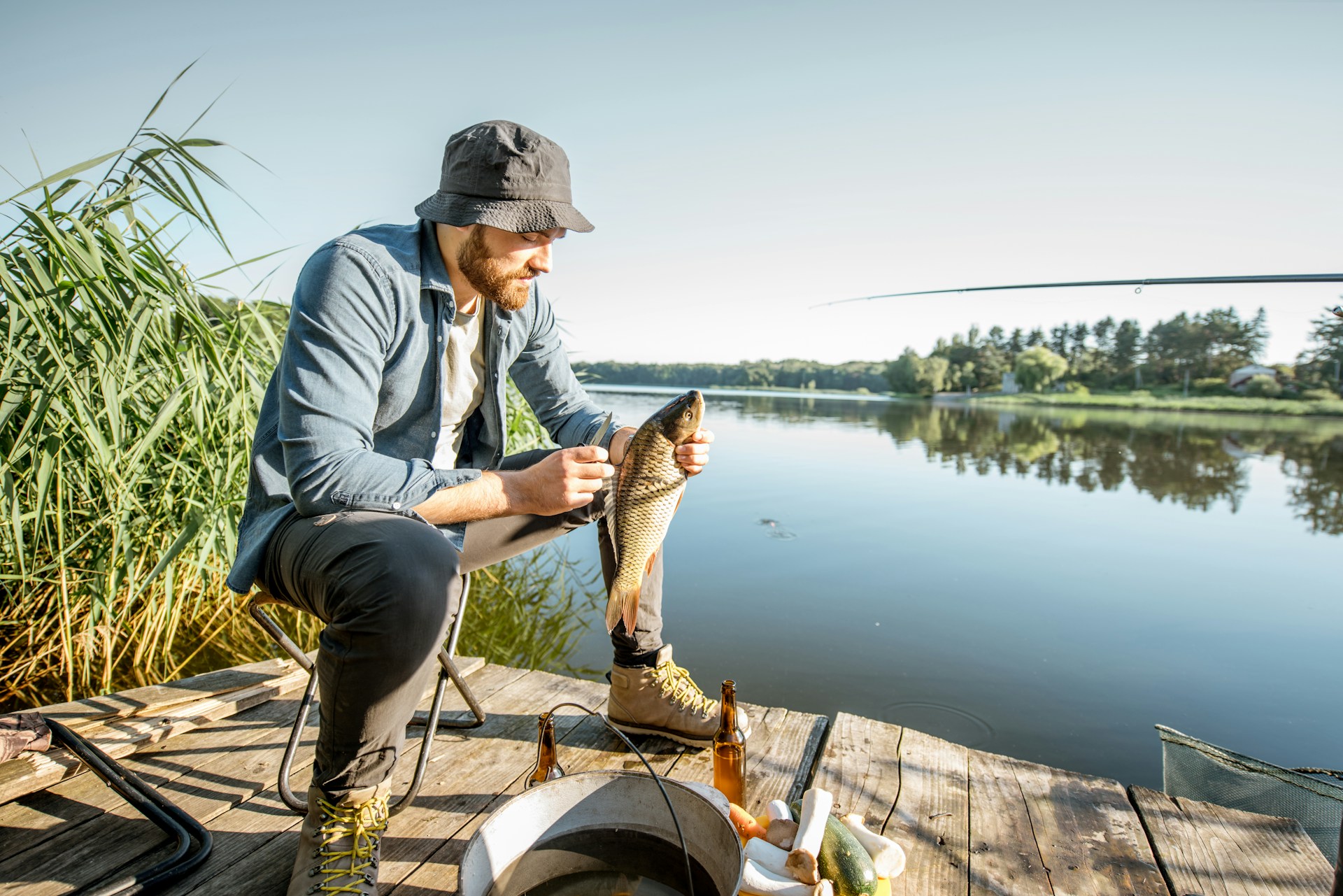
Freshwater fishing offers an exciting way to enjoy nature while developing patience, skill, and confidence on the water. Whether you fish from the shoreline, a dock, or a small boat, every outing presents a new opportunity to learn. Success rarely comes from luck alone. Instead, it comes from understanding fish behavior, choosing the right equipment, and adapting to changing conditions. As you gain experience, every trip becomes more rewarding and enjoyable. Learning freshwater fishing methods helps anglers of every skill level improve their results while making every adventure on the water more memorable.
Understanding Fish Behavior Before You Cast
Fish are constantly responding to their surroundings. Water temperature, weather, light conditions, and available food all influence where they move throughout the day. Therefore, anglers who understand these patterns often find fish more consistently than those who rely only on chance.
Early mornings and late afternoons usually provide excellent fishing because many species become more active during cooler parts of the day. However, cloudy weather can extend feeding activity well into the afternoon. Paying attention to these natural patterns allows you to make smarter decisions before making your first cast.
Choosing Equipment That Matches Your Goals
The right equipment makes fishing more enjoyable and improves your chances of success. Rod length, reel size, fishing line, and lure selection should all match the type of fish you plan to target. A balanced setup also reduces fatigue during longer trips.
Beginners often benefit from a medium power spinning rod because it offers excellent versatility. It handles a wide variety of freshwater species while remaining easy to cast and control. As your experience grows, you can add more specialized equipment for different fishing techniques and conditions.
Finding Productive Areas Across Different Waters
Not every part of a lake or river holds the same number of fish. Instead, fish naturally gather around structures that provide food, shelter, and protection. Fallen trees, submerged rocks, weed lines, bridges, and drop offs often become reliable fishing locations throughout the season.
Moving quietly around these areas increases your chances of success. Loud footsteps, excessive boat noise, or repeated casting into the same location may push fish away. Patience and careful observation often produce better results than rushing from one spot to another.
Improving Every Cast With Better Presentation
Casting accurately is just as important as choosing the right lure. Fish are more likely to strike when a lure moves naturally through the water instead of landing with excessive disturbance. Therefore, smooth casting and controlled lure retrieval deserve regular practice.
Different lures require different presentations. Soft plastic baits often perform well with slow movements, while crankbaits and spinnerbaits create action through steady retrieves. Developing confidence with several techniques allows anglers to adjust as fishing conditions change. Building experience with bass fishing tactics also improves your understanding of lure movement, fish reactions, and seasonal feeding habits.
Adjusting to Seasonal Changes
Fish behavior changes throughout the year because water temperatures continue to rise and fall with the seasons. Spring often brings fish into shallow water as they prepare to spawn. Summer usually pushes many species toward deeper, cooler areas during the hottest parts of the day.
Fall creates another excellent opportunity because many fish feed aggressively before winter arrives. Even during colder months, anglers can enjoy productive trips by slowing their presentations and targeting deeper water. Adapting to seasonal patterns allows you to remain successful throughout the entire year.
Developing Confidence Through Consistent Practice
Every successful angler started as a beginner. Experience develops through time spent observing the water, testing different techniques, and learning from every outing. Even slow fishing days provide valuable lessons that improve future success.
Keeping a simple fishing journal can be surprisingly helpful. Recording weather conditions, water clarity, successful lures, and productive locations helps identify patterns over time. As a result, you begin making better decisions before each trip instead of relying on guesswork.
Respecting Nature While Enjoying the Sport
Responsible anglers understand that healthy fisheries depend on proper conservation. Following local fishing regulations, respecting catch limits, and handling fish carefully all contribute to sustainable fishing opportunities for future generations. Small actions make a meaningful difference over time.
Cleaning up discarded fishing line, removing trash, and respecting private property also protect the natural beauty of lakes and rivers. Ethical fishing creates positive experiences for everyone who enjoys the outdoors while preserving valuable habitats for fish and wildlife alike.
Creating Lasting Memories on Every Trip
One of the greatest rewards of freshwater fishing extends far beyond the number of fish you catch. Every outing provides opportunities to relax, spend time with family and friends, and appreciate the beauty of nature. Building skills gradually makes each trip more enjoyable while creating confidence that carries into future adventures. Developing recreational angling skills helps transform ordinary fishing trips into meaningful outdoor experiences that continue to reward anglers throughout their lives.
Success on the water comes from preparation, observation, and a willingness to continue learning. Every lake, pond, and river offers something new to discover, which keeps the sport exciting year after year. Whether you are introducing a child to fishing or improving your own techniques, consistent practice and respect for nature will always be your greatest advantages. With the right mindset and steady improvement, every cast has the potential to become your best one yet.