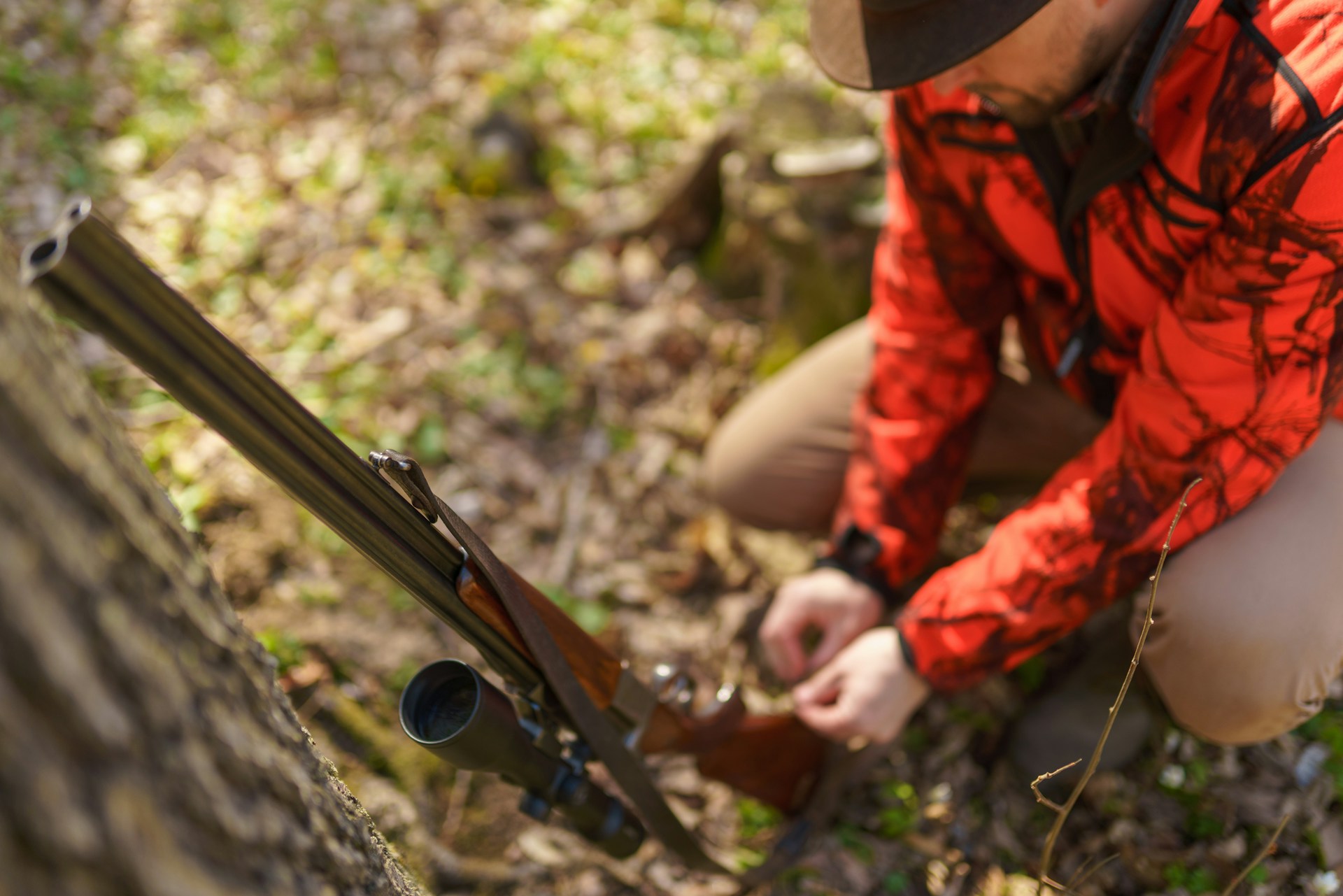
The difference between a triumphant harvest and an exhausting day in the wilderness often comes down to the equipment carried on your back. Hunting is an ancient pursuit that has been refined by modern technology, yet the core principles of preparation remain unchanged. Whether you are trekking through dense timber or sitting patiently in a woodland stand, your success depends on a modular system of tools designed to handle the unpredictable nature of the outdoors. Investing in essential hunting gear is not merely about luxury; it is about extending your endurance, ensuring your safety, and respecting the animal by being prepared for every possible scenario.
Technical Apparel and Specialized Footwear
The foundation of any successful excursion begins with what you wear. Many beginners make the mistake of choosing heavy natural fibers like cotton, which absorb moisture and can lead to dangerous drops in body temperature. Instead, seasoned woodsmen rely on a sophisticated layering system built from synthetic blends or merino wool. Merino wool stands out as a premier component of essential hunting gear because it naturally regulates temperature and manages scent, which is vital when trying to remain undetected by sensitive nostrils. A proper base layer should sit tight against the skin to wick away sweat, followed by an insulating middle layer that traps heat without adding excessive bulk.
Your outer shell must act as a barrier against the elements while remaining whisper-quiet. Traditional heavy fabrics often produce a scratching sound against brush that can alert game from hundreds of yards away. Modern technical shells utilize brushed surfaces that move silently through the undergrowth while providing windproof and waterproof protection. Complementing this clothing system is your footwear, which is perhaps the most critical piece of equipment in your inventory. A high-quality pair of boots provides the ankle stability needed for uneven terrain and the insulation required for stationary waiting. Without reliable boots, even the most determined hunter will find their range limited by blisters or cold feet.
Precision Optics and Scouting Tools
In the modern era, the ability to see game before it senses your presence is a massive tactical advantage. Quality optics are a cornerstone of essential hunting gear, allowing you to scan vast landscapes without burning unnecessary calories. Binoculars are the primary tool for this task, with versatile magnifications like eight or ten power being the industry standard for general use. High-end glass with specialized coatings ensures that you can still identify shapes and movements during the low-light transitions of dawn and dusk, which is precisely when most trophy animals are active.
Beyond standard binoculars, a laser rangefinder has become a mandatory addition for those seeking accuracy and ethical shots. Judging distance by eye is notoriously difficult in the woods, where light and terrain features can create optical illusions. A rangefinder provides the exact yardage to your target, allowing for precise aiming and reducing the risk of a clean miss or a poor strike. For those hunting in wide-open spaces, a spotting scope mounted on a tripod allows for detailed observation of animals from miles away. This allows you to evaluate the maturity of the game and plan a strategic approach long before you ever step into the animal’s immediate environment.
Processing Kits and Field Management
Once a hunt is successful, the real work begins, and having a pre-packed kit for field dressing is vital. This transition from the chase to the harvest requires specific essential hunting gear that focuses on hygiene and efficiency. A sharp knife is the most important tool in this category, and many modern enthusiasts prefer knives with replaceable blades. These tools ensure that you always have a surgical edge available, which is much safer and faster than struggling with a dull blade in the fading light. Carrying a fixed-blade knife alongside a folding option provides the structural strength needed for heavier tasks like disjointing or clearing bone.
Managing the meat in the field requires breathable game bags that protect the harvest from insects and debris while allowing the meat to cool quickly. Rapid cooling is the most effective way to prevent spoilage and ensure high-quality food for the table. These bags are lightweight and should always be tucked into a dedicated pocket of your pack. Additionally, carrying a small length of paracord and a pair of latex gloves can make the process much more organized and sanitary. Being prepared for the aftermath of a successful shot is a hallmark of a responsible and skilled woodsman.
Navigation Safety and Survival Essentials
Entering the deep woods requires a level of self-reliance that only the best essential hunting gear can provide. While modern smartphones offer incredible mapping capabilities and satellite imagery, they are prone to battery failure in cold weather. Therefore, a dedicated navigation strategy is paramount. Using specialized mapping applications allows you to see property boundaries and topographical features in real-time, but it should always be backed up by a handheld satellite communicator or a traditional compass. Knowing exactly where you are and how to get back to your vehicle is the most basic requirement for any trip into the backcountry.
Safety extends to your light sources and emergency preparedness. A high-output headlamp is a critical piece of essential hunting gear, as it keeps your hands free for climbing or processing game after dark. You should always carry a secondary light source and extra batteries to avoid being stranded in total darkness. Furthermore, a compact survival kit containing fire-starting materials, a basic first aid kit, and a water filtration device should never leave your pack. These items might go unused for years, but in a sudden storm or an accidental injury, they become the most valuable possessions you own.
Gear Integration
The goal of gathering essential hunting gear is to create a seamless system where every item has a specific purpose and a dedicated place. Overloading yourself with unnecessary gadgets can lead to fatigue, while missing a key component can lead to failure. It is best to focus on the highest quality you can afford for items like boots, optics, and clothing, as these are the tools that directly impact your comfort and ability to stay in the field. As you gain more experience, you will learn to trim the excess and refine your kit to suit your specific environment and style.
Your equipment is there to support your skills and your connection to the natural world. When your gear is reliable, you can stop worrying about your feet being cold or your pack being heavy and start focusing on the subtle signs of the forest. The wind direction, the snap of a twig, and the distant call of an animal become your primary focus. By ensuring you have the right essential hunting gear before you leave the trailhead, you give yourself the best possible chance to return with a story worth telling and a harvest to share.