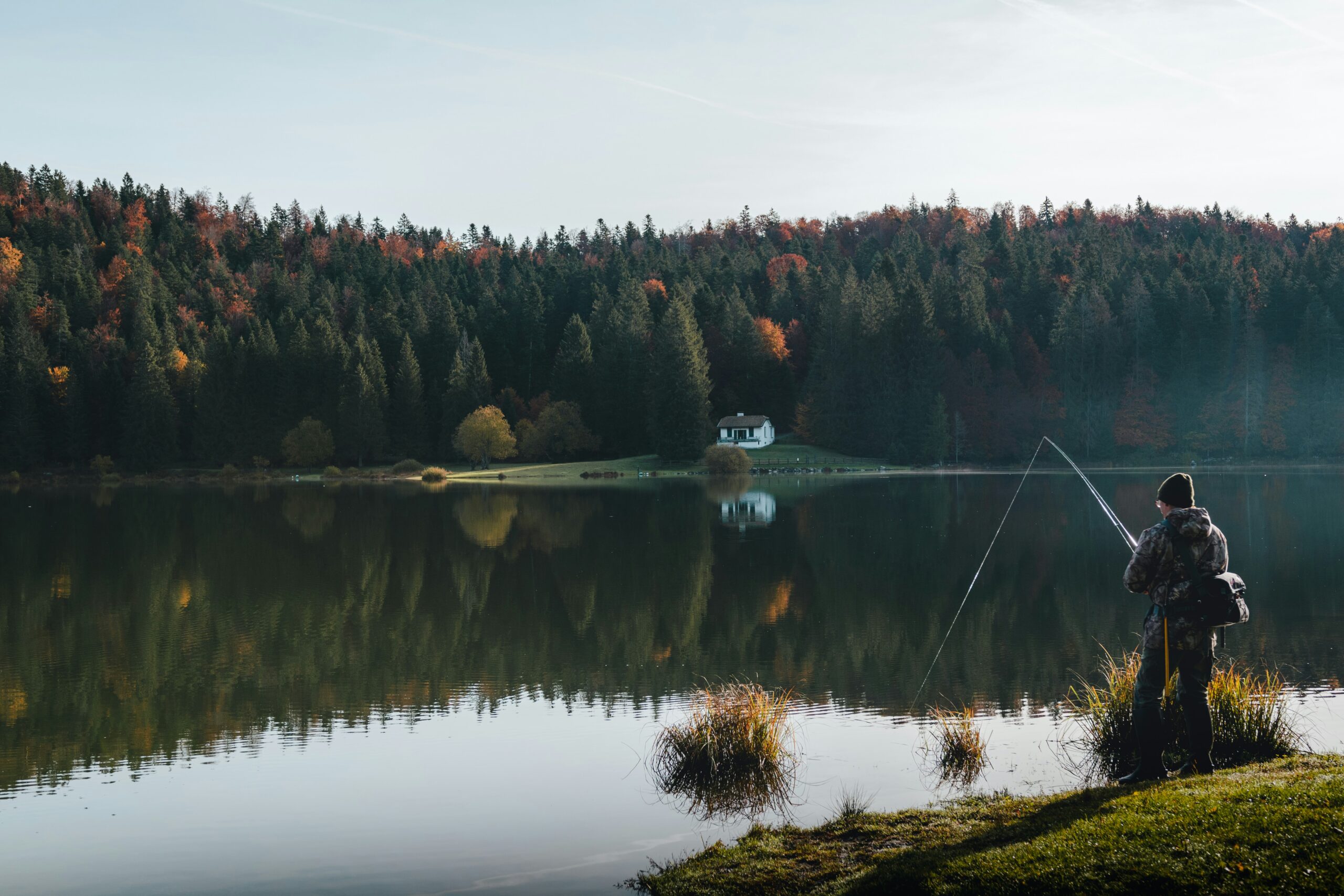
Fly fishing offers a unique way to connect with nature while developing patience, skill, and appreciation for the outdoors. Unlike traditional fishing methods, fly fishing focuses on presenting artificial flies that imitate insects and other natural food sources. Therefore, beginners often find this activity both challenging and rewarding because it combines technique, observation, and a deep understanding of aquatic environments. With the right knowledge and equipment, anyone can learn the basics and begin enjoying this timeless outdoor pursuit.
Understanding the Basics of Fly Fishing
Fly fishing uses a specialized rod, reel, line, and artificial flies to attract fish. Unlike regular fishing, where the weight of a lure helps cast the line, fly fishing relies on the weight of the fly line itself to create movement. As a result, beginners must learn casting techniques that feel different from conventional fishing styles. However, once the fundamentals become familiar, many anglers discover that fly casting becomes an enjoyable and relaxing skill.
Moreover, fly fishing requires anglers to study the environment around them. Rivers, lakes, and streams contain different insects, fish species, and water conditions that influence fishing success. Therefore, observing the surroundings and understanding what fish eat can significantly improve results. Additionally, beginners should remember that fly fishing is not only about catching fish but also about enjoying the peaceful experience of being outdoors.
Choosing the Right Fly Fishing Equipment
Selecting the right equipment helps beginners build confidence and improve their learning experience. First, a basic fly fishing setup includes a fly rod, reel, fly line, leader, tippet, and flies. Generally, a medium-weight rod, such as a 5-weight rod, works well for beginners because it provides versatility for many freshwater fishing situations. Furthermore, choosing quality equipment that matches personal needs prevents unnecessary frustration during the learning process.
In addition, beginners should invest in essential accessories that make fishing more comfortable and effective. Items such as polarized sunglasses, fishing vests, forceps, nippers, and waterproof clothing can improve convenience on the water. Also, selecting the correct flies plays an important role because different fish respond to different patterns. Therefore, learning about local insects and common fly types helps anglers make better choices when preparing for a fishing trip.
Learning Essential Casting Techniques
Casting represents one of the most important skills in fly fishing because it determines how effectively an angler can present a fly. The basic fly cast involves moving the rod smoothly backward and forward while allowing the line to form controlled loops. Initially, beginners may struggle with timing and accuracy; however, consistent practice gradually improves coordination and confidence.
Additionally, beginners should focus on technique rather than distance. A smooth, controlled cast usually produces better results than a powerful but inaccurate movement. Therefore, practicing in open areas or working with an experienced instructor can help new anglers develop proper habits. Over time, anglers can learn advanced techniques such as roll casting, false casting, and specialized presentations for different fishing conditions.
Understanding Flies and Fish Behavior
Choosing the right fly requires knowledge of what fish are feeding on at a specific time. Flies generally imitate insects, small fish, or other creatures found in aquatic environments. For example, dry flies float on the water surface and imitate insects, while nymphs represent underwater insects that fish commonly eat. Therefore, understanding these categories helps beginners select effective options.
Furthermore, successful fly fishing depends on reading fish behavior and water conditions. Factors such as weather, water temperature, current speed, and insect activity influence where fish gather and how they feed. Consequently, beginners should spend time observing the water before casting. By paying attention to these details, anglers can improve their chances of attracting fish while developing a stronger connection with the natural world.
Practicing Fishing Ethics and Conservation
Responsible fishing practices help protect waterways and preserve fish populations for future generations. Therefore, beginners should learn basic conservation principles, including following local fishing regulations, respecting private property, and handling fish carefully. Catch-and-release practices, when appropriate, allow anglers to enjoy the sport while minimizing harm to aquatic ecosystems.
Moreover, fly anglers often develop a strong appreciation for environmental protection because healthy habitats support successful fishing experiences. As a result, many fly fishers participate in river cleanups, conservation programs, and habitat restoration efforts. Additionally, respecting nature by leaving areas cleaner than they were found creates a positive impact on outdoor spaces and encourages sustainable recreation.
Enjoying the Journey of Fly Fishing
Fly fishing provides more than a method for catching fish because it creates a deeper relationship with nature and encourages mindfulness. The quiet movement of water, the beauty of natural surroundings, and the excitement of a successful cast make every trip memorable. Therefore, many anglers continue fly fishing for decades because the experience constantly offers new lessons and discoveries.
Ultimately, beginners should approach fly fishing with curiosity, patience, and a willingness to learn. Although the techniques may seem complex at first, steady practice and proper guidance make the process enjoyable. With the right equipment, basic skills, and respect for the environment, anyone can begin exploring the rewarding world of fly fishing.
Building Experience and Improving Skills
Like any outdoor activity, fly fishing requires patience and continuous learning. Beginners should avoid expecting immediate perfection because developing skill takes time and practice. Instead, they should focus on improving one technique at a time, whether it involves casting accuracy, fly selection, or reading water conditions. Therefore, each fishing trip becomes an opportunity to gain valuable experience.
Furthermore, joining local fly fishing groups or learning from experienced anglers can accelerate progress. Many communities offer classes, guided trips, and workshops designed for newcomers. Additionally, spending time on different waterways exposes beginners to new challenges and helps them become more adaptable anglers. Eventually, consistent practice transforms basic knowledge into confidence and expertise.