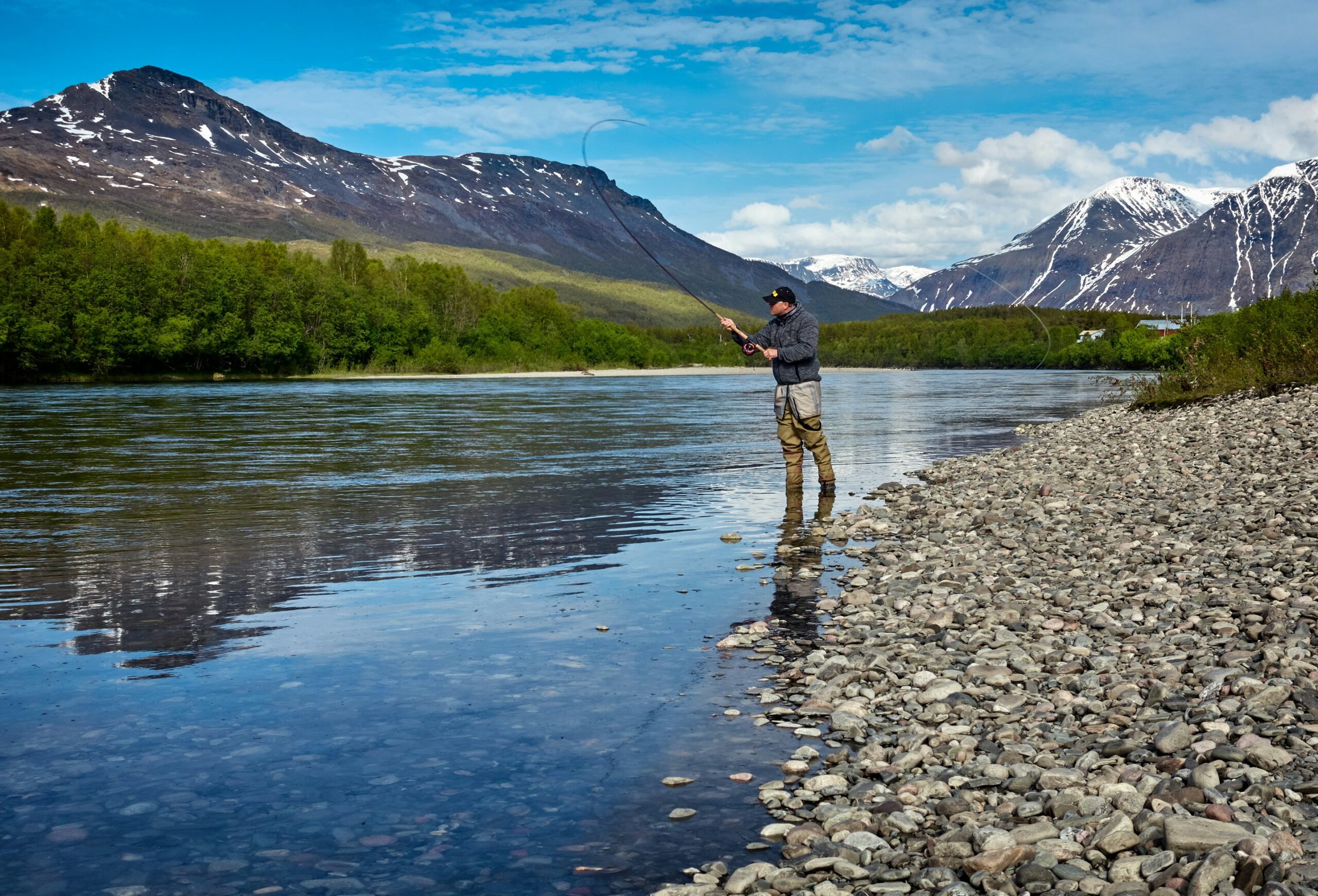
Fly fishing can look complicated when you first watch an experienced angler cast a line across moving water. The long rod, specialized flies, and graceful casting motion may seem difficult to master. In reality, beginners can learn the basics with a little patience and the right approach. You do not need expensive equipment or years of experience to enjoy your first day on the water.
The key is to focus on simple skills before worrying about advanced techniques. Learn what basic gear you need, understand how casting works, and become familiar with the places where fish may gather. Each trip gives you another chance to improve. This beginner’s guide to fly fishing explains the essential gear, skills, and first steps that can help you start with confidence.
Understanding What Makes Fly Fishing Different
Traditional fishing often uses the weight of a lure or sinker to carry the line toward the water. Fly fishing works differently. The line itself provides the weight needed for casting. Anglers use a flexible rod to move the weighted line through the air and place a lightweight artificial fly near the fish. This method creates a gentle presentation that can imitate natural insects and other food.
Fly fishing also encourages anglers to observe the environment closely. You may watch insects on the surface, notice how water moves around rocks, or study where fish are feeding. These observations help you decide where to cast and which fly to use. The combination of fishing and careful observation makes the activity both challenging and rewarding.
Choosing a Beginner-Friendly Fly Rod and Reel
A balanced rod and reel combination makes learning much easier. Many beginners start with a medium-weight fly rod that works well for common freshwater species. A rod around nine feet long offers enough control for streams, rivers, and many lakes. Matching the rod, reel, and fly line by weight helps the entire setup perform smoothly.
You do not need the most expensive equipment available. Many starter kits include a rod, reel, fly line, backing, and leader in one package. These combinations remove some of the confusion from choosing separate pieces. Before buying a setup, consider the type of water you plan to fish and the species you hope to catch. A simple, properly matched outfit is usually better for learning than specialized equipment.
Learning About Leaders, Tippet, and Flies
The leader connects the thick fly line to the small artificial fly. It gradually becomes thinner toward the end, which helps the fly land naturally on the water. A short section called the tippet connects the leader to the fly. Anglers replace this section as it becomes shorter from changing flies or is damaged by rocks, branches, and fish.
Artificial flies come in many shapes and sizes. Dry flies float on the surface and often imitate adult insects. Nymphs usually travel below the surface and resemble immature insects. Streamers imitate small fish or other moving prey. Beginners do not need dozens of patterns. A few common flies recommended for local waters can provide enough variety for an enjoyable first trip.
Building Basic Casting Skills Before Fishing
Casting is often the part of fly fishing that beginners worry about most. Fortunately, a basic cast does not require complicated movements. The goal is to move the rod smoothly backward and forward while allowing the line to straighten between each motion. Timing matters more than strength. Using too much force often makes the line difficult to control.
Practice in an open field or another safe area before heading to crowded water. Start with a short section of line and aim for smooth, controlled movements. Keep your wrist fairly steady and allow the rod to do most of the work. As your timing improves, gradually extend more line. Short, accurate casts are usually more useful to beginners than attempts to cast great distances.
Finding Good Water and Reading Fish Habitat
Finding fish requires more than simply casting toward the middle of a river. Fish often choose places where they can conserve energy while remaining close to food. Look near rocks, deeper pools, undercut banks, fallen trees, changes in current, and areas where fast water meets slower water. These locations can provide shelter and steady access to food.
Move slowly when approaching the water because fish can notice sudden movement. Observe the area before making your first cast. You may see insects, rising fish, shadows, or changes in water depth. Start by fishing nearby water before casting farther away. This approach reduces unnecessary movement and gives you a better chance of reaching fish that may be closer than expected.
Presenting the Fly and Detecting a Strike
A realistic presentation can matter more than the exact fly you choose. In moving water, many flies should drift naturally with the current. If the line pulls the fly too quickly or moves it across the current in an unnatural way, fish may ignore it. Managing extra line and adjusting your rod position can help the fly travel naturally.
Detecting a strike can take practice, especially when fishing below the surface. Watch the end of your fly line, leader, or strike indicator for sudden stops or unusual movement. When you suspect a fish has taken the fly, lift the rod smoothly instead of making a violent movement. Some strikes will be missed, but each one teaches you more about timing and fish behavior.
Preparing for a Safe and Comfortable First Trip
Comfort can make your first fly fishing experience much more enjoyable. Wear clothing that matches the weather and bring footwear designed for slippery or uneven ground. Polarized sunglasses help reduce surface glare and protect your eyes from hooks. Sun protection, water, and a light rain layer can also help you stay comfortable during changing conditions.
If you plan to enter moving water, take extra care. Avoid strong currents and water that feels deeper or faster than you can safely manage. Beginners can learn plenty while fishing from the bank or standing in shallow areas. Check local fishing regulations before your trip as well. Some waters have specific seasons, licenses, catch limits, or rules about the types of hooks anglers may use.
Developing Skills Through Patience and Practice
Your first fly fishing trip does not need to produce a large catch to be successful. Focus instead on becoming comfortable with your equipment, improving your casting, and learning how water affects your fly. Pay attention to what works and what does not. Even a missed strike can provide useful information about your presentation or timing.
Progress usually comes through regular practice rather than trying to master everything at once. Fish with experienced anglers when possible, visit local fly shops, and study the waters you plan to explore. Over time, tying knots, choosing flies, reading currents, and casting accurately will feel more natural. Fly fishing rewards curiosity and patience, and every day on the water offers another opportunity to learn.