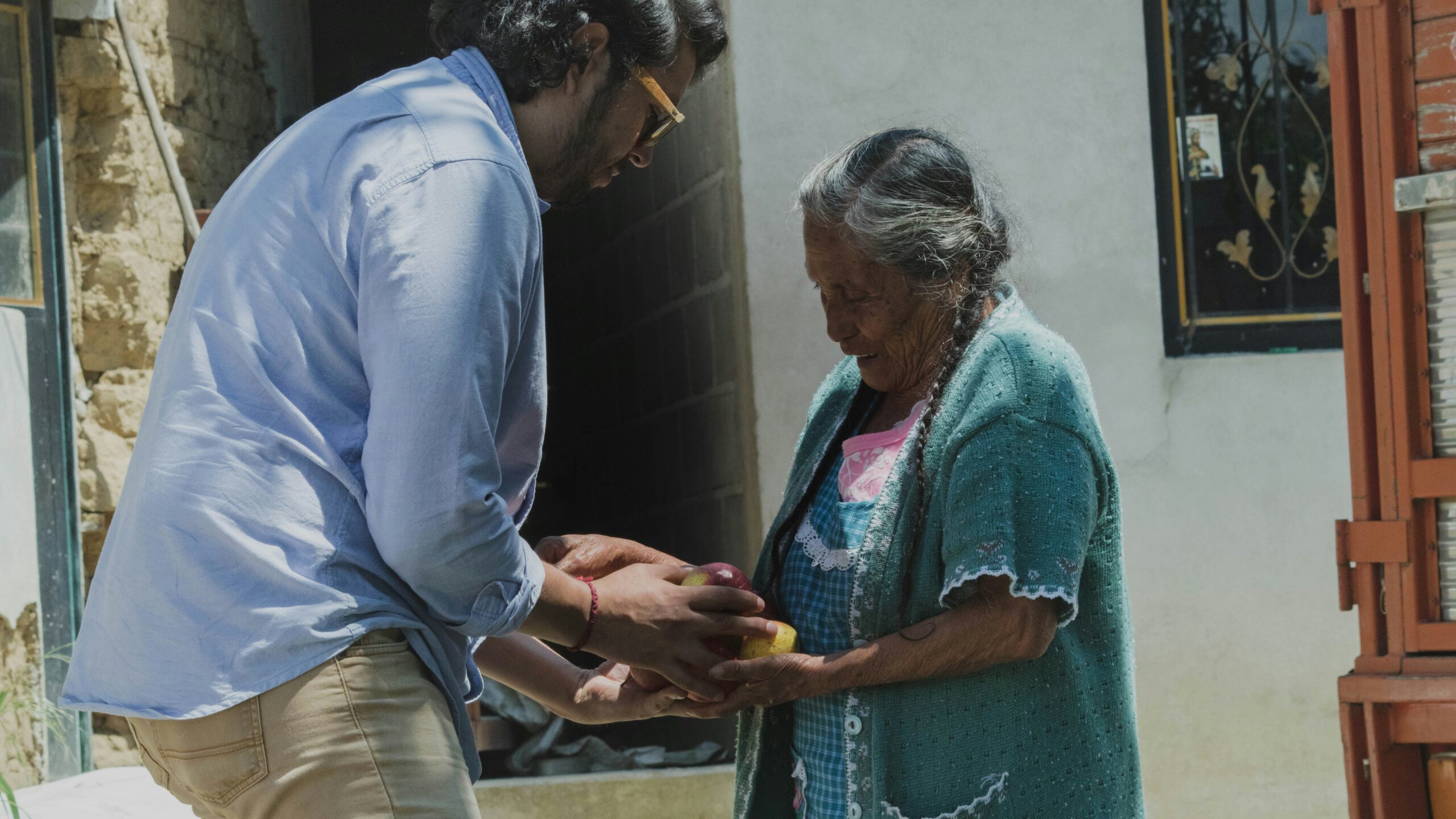
In towns and small communities across the nation, local charities serve as a vital force for change. While large, national organizations often make headlines, it is these grassroots groups that create lasting impact where it matters most. They respond to immediate needs, strengthen social bonds, and empower residents to improve their own communities. The influence of local charities goes beyond financial support—it fosters hope, resilience, and connection that touch every corner of the town.
Addressing Urgent Needs
Local charities often provide essential resources for residents facing urgent challenges. Families struggling with food insecurity, unstable housing, or limited access to healthcare rely on these organizations for immediate assistance. By distributing meals, organizing shelters, or providing healthcare support, charities fill critical gaps that larger programs may overlook. Because they are embedded in the community, they can respond quickly and adapt to residents’ changing needs. Their flexibility ensures that help reaches those who need it most in a timely and effective manner.
Supporting Youth and Education
Education and youth development are central to the mission of many local charities. After-school programs, tutoring, and scholarship opportunities give children the tools to succeed academically and personally. Charities may also provide access to learning materials, technology, and enrichment programs, helping students overcome challenges that might otherwise limit their potential. By focusing on youth, local organizations invest in the long-term well-being of the community, creating opportunities that benefit both the individual and the town as a whole.
Promoting Health and Well-Being
Health initiatives are another key area where local charities make a difference. Programs that provide preventive care, wellness workshops, and mental health support help residents maintain both physical and emotional well-being. Workshops on nutrition, exercise, and stress management empower individuals to make informed choices. Mobile clinics and partnerships with healthcare providers expand access to services, especially in areas with limited medical resources. These programs improve the overall quality of life and ensure residents have support for maintaining their health.
Strengthening Community Bonds
Beyond providing resources, local charities foster connection and trust within the community. Volunteer opportunities, local events, and group initiatives bring residents together, creating a sense of belonging. People who engage with charitable programs develop relationships and a stronger sense of civic responsibility. By cultivating community ties, local organizations encourage neighbors to support one another and work collaboratively toward common goals. Strong social bonds are critical for small communities to thrive, and local charities play a central role in building them.
Empowering Residents
One of the unique strengths of local charities is their ability to give residents a voice. They actively seek community input, involve residents in planning initiatives, and ensure programs meet genuine needs. This participatory approach empowers individuals to contribute to solutions and take ownership of the changes affecting their lives. When residents feel heard and involved, they are more likely to engage and sustain positive outcomes. Local charities demonstrate that community-driven solutions are often the most effective.
Driving Economic and Social Growth
Local charities also support economic and social development. Many programs focus on job training, small business support, or microloans that help residents achieve financial independence. These initiatives stimulate local economies and provide sustainable paths to stability. Charities often hire staff from within the community and encourage volunteer participation, which keeps resources circulating locally. The combined social and economic impact strengthens communities, helping them thrive over the long term.
Responding to Crises
Emergencies such as natural disasters, health crises, or economic disruptions require immediate action. Local charities are often on the front lines, coordinating relief efforts and providing vital resources. Their familiarity with the community allows them to act quickly, addressing both logistical needs and emotional support for affected residents. By responding effectively during crises, these organizations help small communities recover and maintain resilience, ensuring stability and continuity even in difficult times.
Encouraging Volunteerism
Volunteer engagement is at the heart of local charitable work. By offering opportunities to contribute time and skills, charities foster a culture of involvement and shared responsibility. Volunteers gain a sense of purpose as they help their neighbors and strengthen the community as a whole. Their participation also inspires others to get involved, expanding the reach of charitable programs. Through volunteerism, local charities create networks of support that amplify their impact and ensure sustainability.
Creating Lasting Change
The impact of local charities goes beyond immediate assistance. Programs in education, health, and economic empowerment build long-term capacity within communities. Individuals who benefit from these programs often become advocates, mentors, or volunteers themselves, creating a cycle of positive change. Over time, local charities help reduce disparities, strengthen social cohesion, and improve overall quality of life. Even modest resources, when applied thoughtfully, can transform lives and create enduring benefits for small communities.
Local charities play a vital role in shaping strong, resilient communities. By addressing urgent needs, supporting youth and education, promoting health, and fostering social connections, they create a tangible, lasting impact. Empowering residents, responding to crises, and encouraging volunteerism further strengthen their influence. These organizations demonstrate that meaningful change does not require large budgets or national recognition—it begins with dedication, compassion, and a deep understanding of the community they serve. Small communities thrive when local charities are active, proving that grassroots efforts can lead to big results.