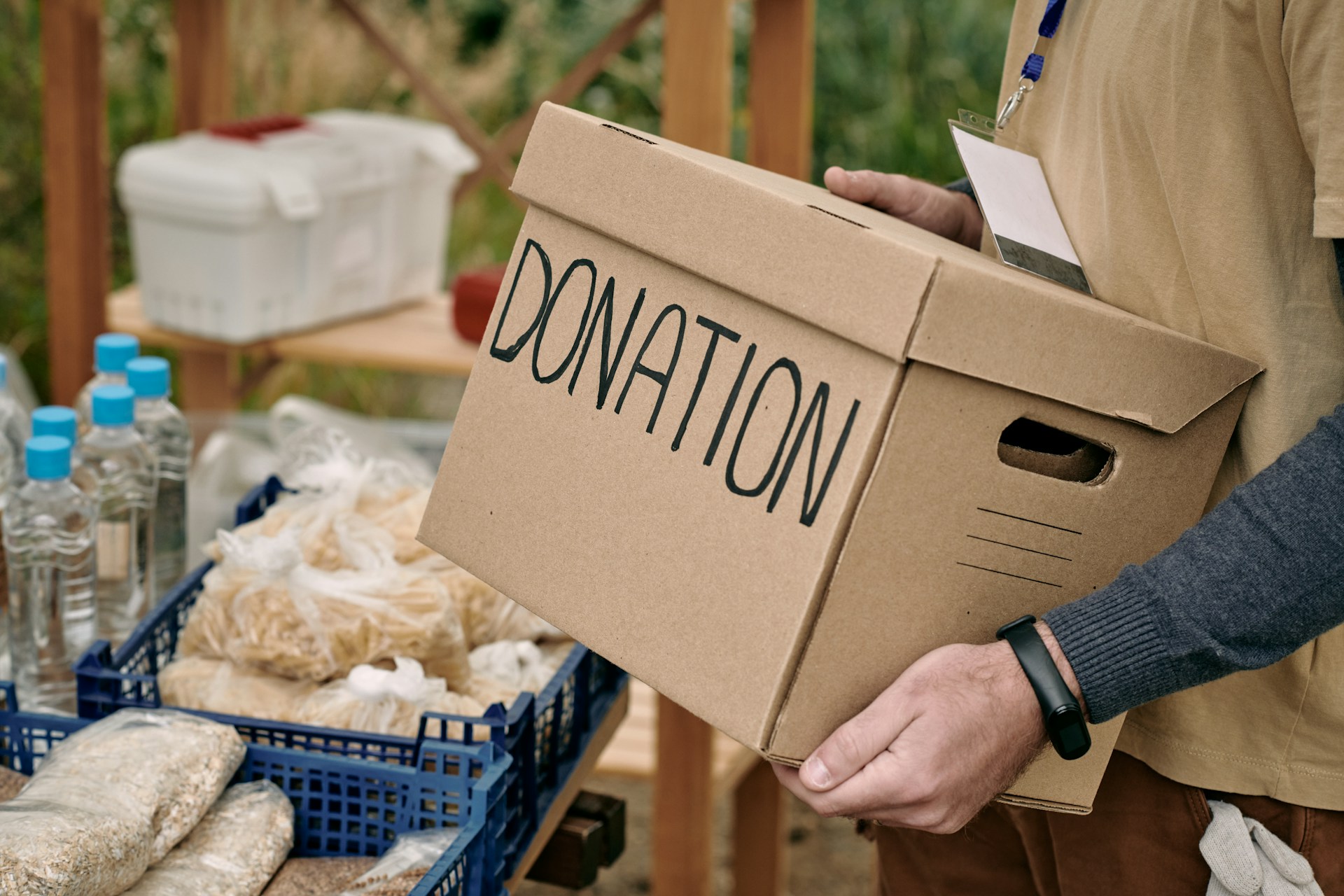
Many families face hard choices when they struggle to keep enough food on the table. Community programs help fill those gaps, and local hunters can make a meaningful difference by sharing harvested venison with those in need. Through partnerships with organizations like Manna House in Huntsville, Alabama, donated venison becomes a valuable source of nutritious meals for neighbors who need support. These efforts show how venison donation programs can connect responsible hunting with hunger relief while strengthening the bonds within a community.
The Role of Venison in Supporting Hunger Relief Efforts
Venison provides an important food resource because it offers lean protein that can help create filling and healthy meals. When hunters choose to donate extra harvested deer, they help transform a natural resource into direct assistance for families facing food insecurity. Instead of allowing usable meat to go unused, these donations provide a practical way to support local food programs.
In addition, venison donations help expand the variety of foods available through community organizations. Many food assistance programs rely on donated goods, but fresh protein options can be harder to provide. Therefore, partnerships between hunters, processors, and nonprofit groups create a stronger support system that helps families access more balanced meals.
How Manna House Connects Donors With People in Need
Manna House in Huntsville works to serve individuals and families who need food, shelter, and community support. The organization plays an important role by creating a welcoming place where people can receive assistance with dignity and care. By accepting support from local partners, Manna House helps turn generosity into real help for people throughout the area.
Moreover, partnerships involving donated venison allow community members to take part in hunger relief in a unique way. Hunters contribute something they already have access to, while organizations like Manna House help ensure that the donation reaches people who can benefit from it. This shared effort creates a stronger connection between outdoor traditions and community care.
Why Hunters Choose to Share Their Harvest With Others
Many hunters value conservation, responsibility, and respect for natural resources. For some, donating venison becomes a meaningful way to extend those values beyond the hunting season. Instead of focusing only on personal use, hunters can provide meals for families, seniors, and individuals who may not have enough access to nutritious food.
Additionally, donating harvested meat can bring a deeper sense of purpose to the hunting experience. The process becomes about more than the harvest itself. It becomes an opportunity to serve others and make a positive impact. When hunters participate in these programs, they help show how outdoor communities can contribute to local solutions.
The Process Behind Turning Harvested Deer Into Family Meals
The journey from a successful hunt to a family meal requires teamwork and careful handling. Hunters typically work with approved processing facilities that prepare the venison according to food safety standards. After processing, the donated meat can move through nonprofit partnerships so it can reach people who need assistance.
Furthermore, these programs depend on trust and organization at every step. Hunters must follow donation guidelines, processors must handle the meat properly, and community groups must distribute the food responsibly. Because each part of the process matters, these partnerships create a reliable way to provide quality meals for families.
Community members often do not see all the work behind a single donated meal. However, every contribution represents planning, effort, and cooperation. From the hunter in the field to the volunteer helping at a local organization, many people work together to make food assistance possible.
The Community Benefits of Sharing Local Resources
Donating venison creates benefits that reach far beyond providing food. These programs encourage stronger relationships between hunters, nonprofit organizations, and families receiving support. They also remind communities that local resources and shared responsibility can help solve important challenges.
In many areas, food insecurity affects people from different backgrounds and life situations. A family facing temporary financial stress, an older adult living alone, or a person experiencing a difficult transition may all need support. Programs that include donated venison offer another way to provide assistance while respecting the needs of each person.
Because of this, community-based efforts often become more successful when people contribute in ways that match their abilities. Hunters donate meat, volunteers offer time, and organizations provide structure. Together, these actions create a network of care that helps communities become more resilient.
How Donations Encourage Responsible Hunting Practices
Responsible hunting involves more than following regulations. It also includes respecting wildlife, understanding conservation, and making thoughtful choices after the hunt. Donating extra venison supports this mindset by showing that a harvested animal can provide value beyond the hunter’s own household.
As a result, donation programs help highlight the positive role hunters can play in society. These efforts can improve public understanding of hunting by showing how outdoor traditions can support charitable causes. They also encourage hunters to think about how their actions affect both the environment and their neighbors.
In addition, organizations that receive donated meat often help educate communities about food access and local support systems. This creates opportunities for conversations about conservation, generosity, and the importance of helping others during challenging times.
Ways Local Residents Can Support These Food Partnerships
Residents who want to support hunger relief efforts can help in many ways, even if they do not hunt. Community members can learn about local programs, share information, volunteer with nonprofit organizations, or encourage others to participate. Every action can help strengthen the network that supports families in need.
Furthermore, supporting organizations like Manna House helps create long-term solutions for hunger and hardship. The impact of donated food grows when more people understand the value of community partnerships. Through continued awareness and involvement, local residents can help ensure that programs serving families have the resources they need.
Building a Stronger Future Through Shared Compassion
Programs that include community food partnerships show how shared compassion can create lasting change. When hunters donate venison and organizations like Manna House help distribute meals, the result is more than food. It is a reminder that communities can come together to support one another during difficult times.
Looking ahead, continued cooperation between hunters, nonprofits, and residents can help create stronger systems of care. Donating venison represents a simple but powerful action that turns generosity into support for families across Huntsville. Through these partnerships, local traditions can continue making a meaningful difference for years to come.