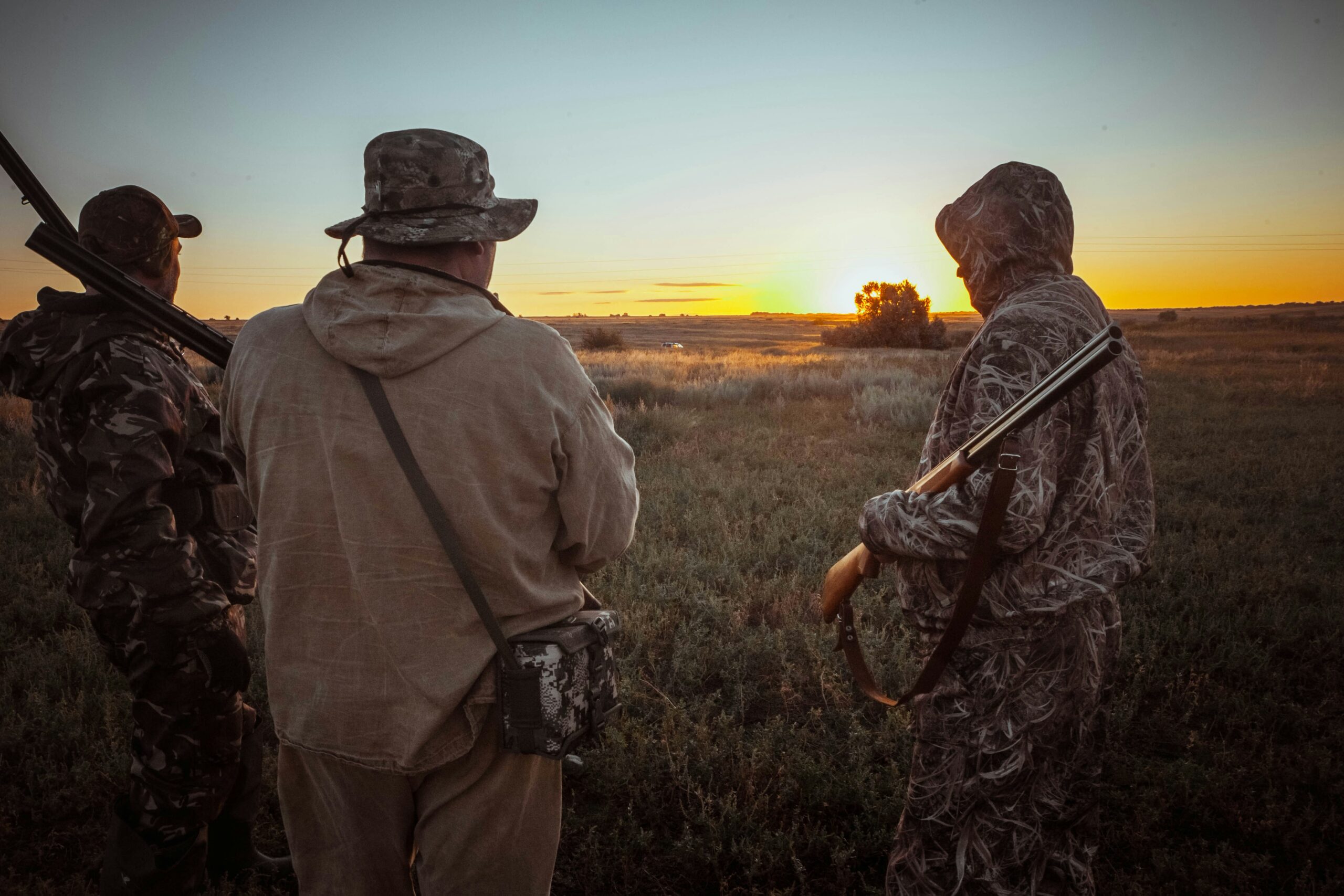
A successful hunt takes more than patience and good timing. The right hunting gear can make the difference between a comfortable day in the field and a difficult experience. Whether you are preparing for your first hunting trip or improving your existing setup, choosing dependable equipment should be a priority. The best gear helps you stay safe, comfortable, prepared for changing conditions, and focused on the hunt.
Start With the Right Hunting Clothing
Proper clothing is one of the most important parts of any hunting setup. Weather can change quickly in the field, so hunters should dress in layers they can add or remove as conditions change. Moisture-wicking base layers help keep the skin dry, while insulating layers provide warmth when temperatures drop.
An outer layer should protect against wind and rain without restricting movement. Durable hunting pants can also protect your legs from brush, branches, and rough terrain. Footwear deserves special attention because long hours in the field can put significant strain on your feet. Comfortable, waterproof boots with good traction can help you move safely across muddy, rocky, or uneven ground.
Choose Reliable Navigation Equipment
Knowing where you are and where you are going is essential during a hunt. A quality compass and a detailed map can provide reliable navigation even when electronic devices lose power or signal. A GPS device or smartphone with offline maps can provide an additional layer of convenience.
Before heading into the field, become familiar with the area and understand the terrain. When appropriate, mark important locations in advance, including your starting point and potential exit routes. Carrying a portable power bank can also help keep electronic navigation tools working throughout the day.
Pack Essential Safety Gear
Safety should always come before hunting success. A well-prepared hunter should carry basic emergency supplies that can be useful if an unexpected situation occurs. A compact first-aid kit can help handle minor cuts, blisters, and other common injuries.
A flashlight or headlamp is also valuable, particularly when traveling before sunrise or returning after sunset. Extra batteries provide useful backup power. A whistle can help attract attention in an emergency, while a lighter or other appropriate fire-starting tool may be useful in certain outdoor situations.
Hunters should also follow all applicable hunting laws and handle firearms responsibly when firearms are involved. Keeping the muzzle pointed in a safe direction, treating every firearm as loaded, and using appropriate safety equipment are fundamental habits.
Bring the Right Hunting Tools
The equipment you need depends heavily on the type of game, season, and location. Choose your primary hunting equipment based on local regulations and your experience level. Maintain it properly and check it before every trip.
A sturdy backpack helps you carry gear without unnecessary discomfort. Choose one that fits properly and provides enough space for essential supplies while remaining manageable during long walks. A small knife can also serve several practical purposes in the field when carried and used responsibly.
Optics can also improve the hunting experience. Quality binoculars allow hunters to examine distant areas without constantly moving closer. If legal and appropriate for the hunt, additional optical equipment may provide better visibility and help hunters observe their surroundings more effectively.
Prepare for Food and Water Needs
Staying hydrated and properly fueled is essential during a long day outdoors. Carry enough water for the expected duration of the hunt, especially when reliable water sources may not be available. A durable water bottle or hydration system can make drinking easier while traveling.
High-energy foods such as trail mix, nuts, dried fruit, or energy bars can provide convenient fuel without taking up too much space. Pack food in secure containers to protect it from moisture and accidental damage. Avoid relying on finding food or water during the trip unless you have carefully planned for those conditions.
Protect Your Gear From the Weather
Outdoor equipment can quickly become less useful when exposed to rain, mud, snow, or excessive moisture. Waterproof bags or dry sacks can protect important items such as electronics, maps, clothing, and food. Even when the forecast looks favorable, carrying basic weather protection is a smart precaution.
Before leaving home, check the forecast and prepare for conditions that may be colder, wetter, or windier than expected. Good preparation lets you focus on the hunt instead of worrying about damaged equipment or uncomfortable conditions.
Make Preparation Part of the Hunt
The most effective hunting gear is not necessarily the most expensive. Reliable, comfortable, and practical equipment is often more valuable than a large collection of specialized products. Before each trip, inspect your clothing, navigation tools, safety equipment, food, water, and hunting equipment to make sure everything is ready.
A thoughtful approach to gear preparation can improve comfort, reduce unnecessary risks, and help you stay focused in the field. When you combine dependable equipment with careful planning, terrain knowledge, respect for wildlife, and responsible hunting practices, you build a stronger foundation for a successful hunting experience.