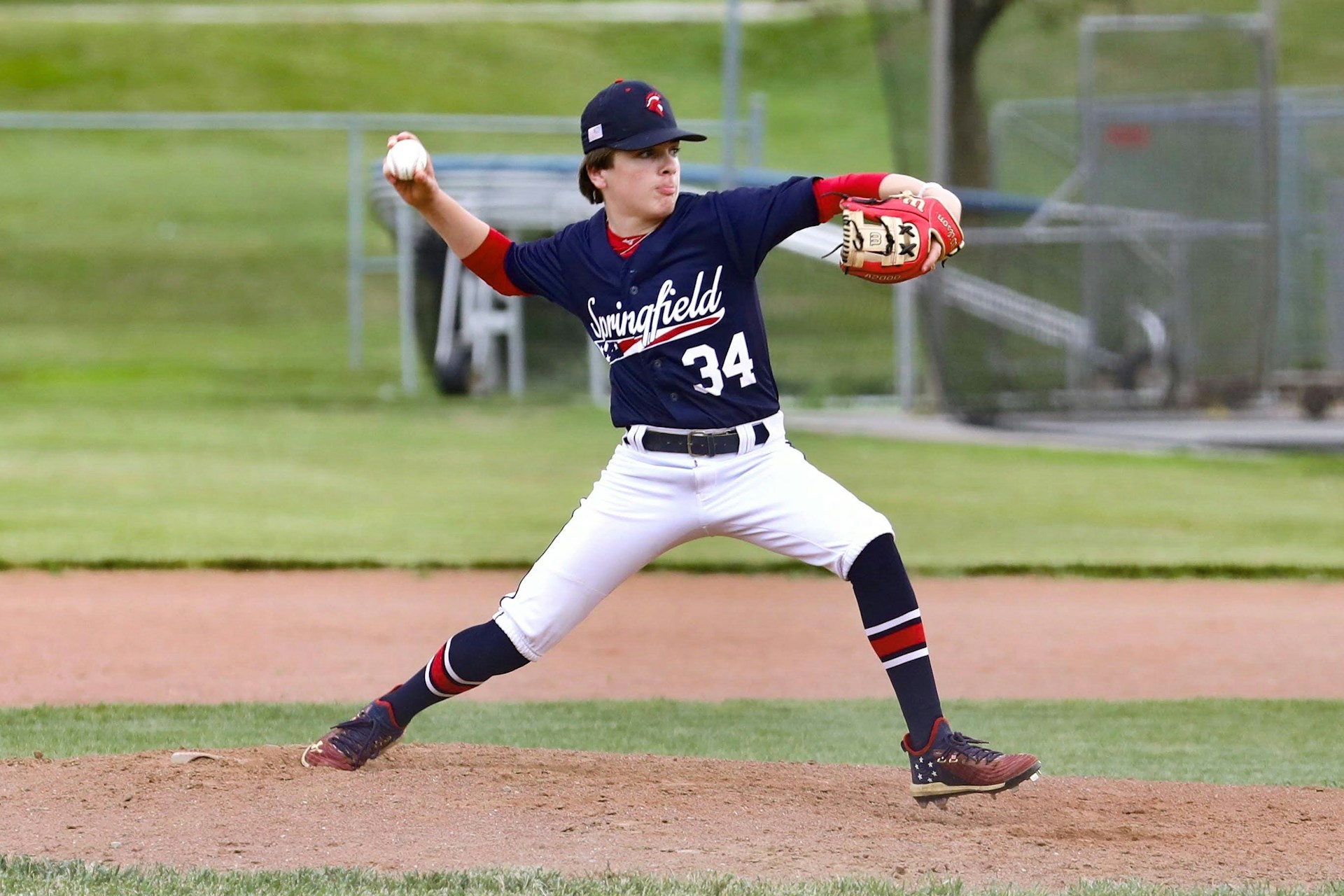
Travel baseball demands more than talent because players face strong competition, busy schedules, and limited practice time. Effective travel baseball practice drills help coaches develop skills without wasting valuable field time. The best sessions combine repetition, decision-making, movement, and competitive pressure. Players then learn techniques they can trust during real games. Coaches should also connect every drill to a clear purpose.
Build Strong Fundamentals With Travel Baseball Practice Drills
Strong teams start with dependable throwing, catching, footwork, and body control. Coaches can create short stations that target one movement at a time. For example, partners can work on quick transfers before adding longer throws. Infielders can practice fielding through the baseball instead of stopping their momentum. Meanwhile, outfielders can rehearse clean approaches and strong crow hops.
Repetition matters, but careless repetition can reinforce poor mechanics. Coaches should watch posture, glove position, balance, and throwing direction during each station. However, they should avoid correcting every minor detail at once. One clear cue often creates faster improvement than several instructions. Players also benefit when coaches explain why a movement matters.
Improve Hitting Through Game-Like Batting Work
Hitting drills should develop timing, pitch recognition, barrel control, and confidence. Tee work remains valuable when players use it with specific goals. A hitter might drive outside pitches toward the opposite gap. Another round might focus on pulling inside pitches without opening the front shoulder early. Afterward, front toss can add movement and timing.
Live batting practice should also involve decisions, not just swinging. Coaches can call counts, change locations, or reward disciplined takes. Hitters learn to manage the strike zone under pressure. Competitive batting drills can also create energy during long practices. Players may earn points for hard contact, quality approaches, or productive situational hitting.
Develop Faster Infield Reactions and Footwork
Travel baseball infield drills should prepare players for quick, imperfect game situations. Standard ground balls help, but varied angles create better learning. Coaches can hit slow rollers, backhands, forehands, and balls near the bag. Players should practice different feeds and throws after fielding each ball. As a result, defenders improve technique and decision speed.
Double-play work offers another valuable teaching opportunity. Middle infielders can rehearse receiving feeds from several directions. Corner infielders can practice accurate throws that lead the receiver toward the bag. Still, speed should never replace control during early repetitions. Clean footwork should come first, followed by faster execution. Once players demonstrate consistency, coaches can add runners or time limits.
Strengthen Outfield Defense and Throwing Accuracy
Outfield training should cover more than routine fly balls. Players need efficient first steps, strong routes, confident communication, and accurate throws. Coaches can use balls hit over either shoulder to teach proper angles. They can also mix line drives with higher fly balls. Athletes must read the ball instead of guessing the drill pattern. That variation makes defensive baseball training more realistic.
Throwing drills should connect footwork with a clear target. Outfielders can field ground balls and throw through a cutoff player. They can also practice catching fly balls while moving into throwing position. Coaches should emphasize controlled momentum toward the target. Players should also learn when strength matters and when accuracy matters more.
Use Baserunning Drills to Teach Speed and Awareness
Baserunning practice should develop judgment, not only sprinting ability. Players need to read coaches, defenders, the ball’s direction, and the game context. Coaches can create drills that begin with different batted-ball situations. Runners might react to ground balls, fly balls, passed balls, or balls in the gap. These scenarios improve baseball IQ while keeping athletes active.
Leads and secondary leads also deserve consistent attention. Players should learn how distance changes against different pitchers and defensive looks. Then, coaches can practice steals, delayed breaks, and first-to-third reads. Competition can make these drills more engaging. For instance, runners can earn points for correct decisions rather than pure speed.
Make Every Practice Competitive and Measurable
Travel teams improve faster when coaches track progress and create meaningful competition. Simple measurements can include throwing accuracy, fielding success, quality contact, or baserunning decisions. Players should understand what each score represents. That transparency turns practice results into useful feedback. It also gives athletes specific goals between tournaments.
Competition works best when effort and execution both matter. Coaches can organize small teams for defensive challenges or situational games. However, winning should not encourage rushed mechanics or careless choices. The goal is to reproduce pressure while protecting sound habits. When athletes perform correctly under stress, their skills become more reliable.
Turn Practice Repetition Into Game Confidence
Great travel baseball training connects practice habits with game performance. Coaches should choose drills that solve real team needs instead of filling time. A focused plan might emphasize defensive communication one day and situational hitting another. Over time, these priorities create a stronger, more adaptable team.
Players also need space to learn from mistakes. Coaches can pause a drill and let athletes explain their decisions. Then, the next repetition becomes an immediate learning opportunity. Effective travel baseball practice drills combine structure, challenge, feedback, and purpose.