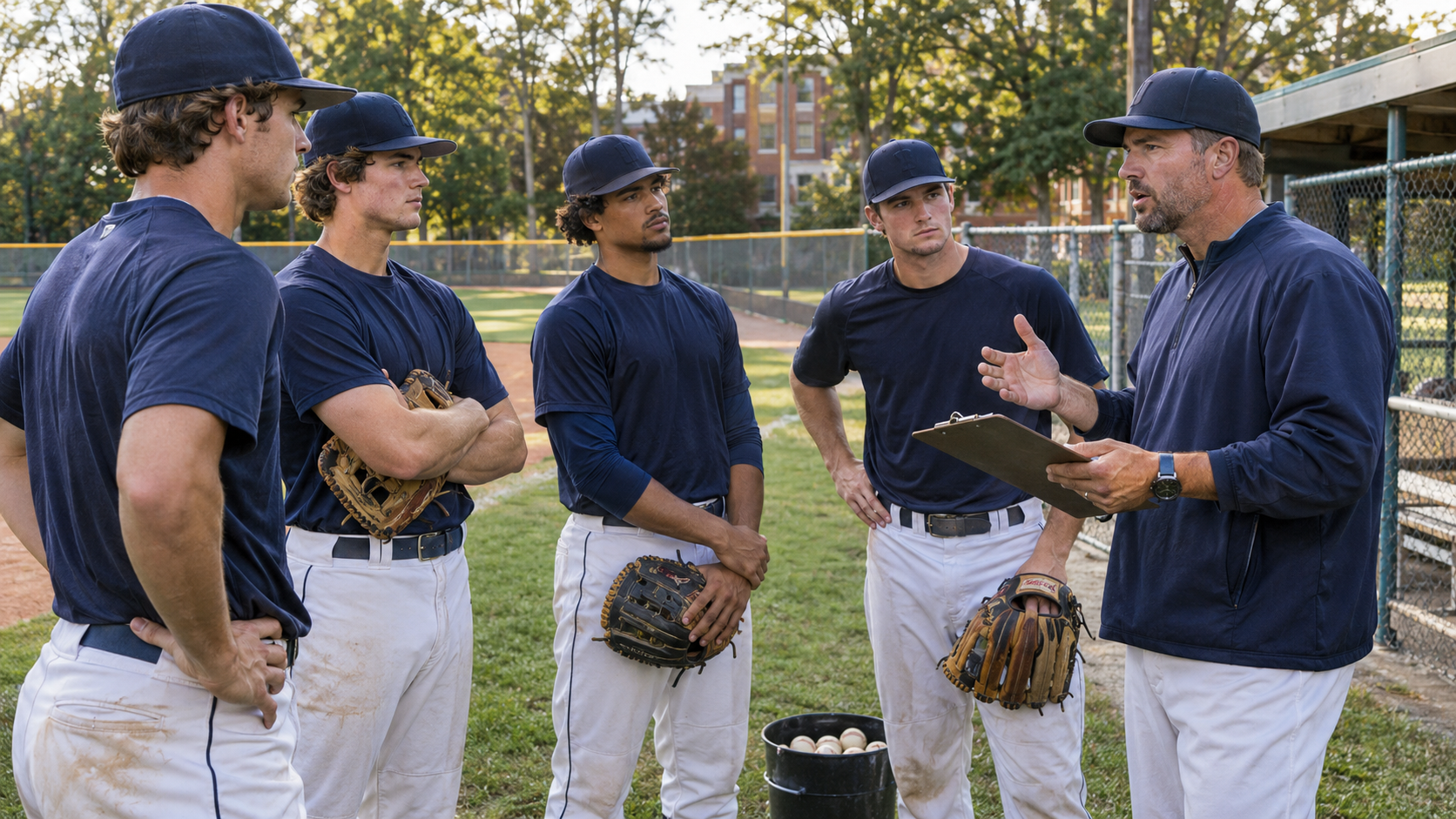
A new college baseball program needs more than a roster and a schedule. Before the first meaningful win, someone must organize practice space, recruit players who fit the institution, and establish how the staff will teach. However, building a college baseball program becomes more manageable when leaders turn ambition into specific decisions. Which positions lack depth? Who handles academic concerns? What does a productive practice accomplish? Answering those questions creates a working foundation that players can understand and coaches can improve as the team develops.
Establish What the Program Can Support
First, evaluate what the institution can support consistently. Review the operating budget, field access, equipment, staffing, travel arrangements, and available training facilities. Separate essential needs from improvements that can wait. Reliable practice equipment and an organized travel plan may deserve attention before a decorative clubhouse upgrade. Discuss expectations with athletics administrators so everyone understands the starting point. A coach cannot make sound recruiting promises or plan a useful season around resources that exist only in an optimistic proposal.
Next, assign responsibilities before small omissions become recurring problems. Someone must confirm transportation, maintain equipment records, communicate schedule changes, and coordinate with campus departments. Assistants should know which decisions they own and which require discussion. Establish a simple weekly planning meeting with clear follow-up tasks. This structure does not need to feel bureaucratic. It needs to prevent players from losing practice time because equipment is missing or coaches assumed someone else had arranged access to an indoor space.
Recruit for Fit and Future Needs
Meanwhile, recruit toward a balanced roster rather than collecting impressive individual profiles. Identify the positions and skills the team needs, including players who can provide depth when a starter becomes unavailable. Evaluate how prospects respond to instruction and how they approach ordinary responsibilities. Discuss the academic environment, likely development needs, and available support honestly. Avoid promising a role that future performance may change. A player should understand the opportunity well enough to decide whether the program fits their goals.
Similarly, consider how the roster will change beyond the coming season. A team with several experienced players at one position may still face a serious gap when they leave. Track position coverage and anticipated departures, then use that information to guide future recruiting. Coordinate admissions, eligibility, and recruiting questions with the appropriate institutional staff. Requirements vary across governing bodies and divisions, so coaches should confirm applicable rules rather than rely on assumptions. Long-term planning works better when responsibilities and information stay clear.
Give Every Practice a Teaching Purpose
Beyond recruitment, player development in college baseball requires a plan for each athlete. Identify a small number of priorities that coaches can observe and teach. A hitter might need better swing decisions, while an infielder may need more consistent footwork before throwing. Explain what improvement looks like and which practice activities address it. Revisit those priorities regularly. Players should know why they are doing a drill and how the staff will decide whether the work is helping them. Give players time to ask questions and describe what they notice during their own repetitions.
For example, a team struggling with defensive communication needs more than a reminder to talk. Coaches can create situations that require players to call for a ball, identify a cutoff, and confirm coverage before the play develops. Review where communication broke down and repeat the situation with a clear adjustment. Use video or simple notes when they clarify the problem. Avoid collecting numbers merely because technology makes them available. Choose information that helps coaches make a better teaching decision.
Make Standards Clear and Support Accessible
At the same time, define team standards through behaviors people can recognize. Arriving prepared, communicating an absence, respecting support staff, and responding constructively to correction offer clearer expectations than demanding a winning attitude. Apply those expectations consistently across the roster. If a leading hitter receives exceptions that reserves never receive, players will notice. Coaches also need to follow the standards they set. Starting meetings on time and admitting a planning mistake demonstrate accountability more clearly than another speech about commitment.
However, accountability should include support rather than assume every difficulty reflects poor effort. A player who struggles may need clearer instruction, academic assistance, or a conversation with qualified support personnel. Build working relationships with academic advisors, athletic trainers, and other campus professionals before problems arise. The NCAA identifies academic support and health resources as parts of the student-athlete experience. Coaches can help players access those services while respecting professional boundaries. Medical staff should direct medical decisions, and academic staff should guide academic concerns.
Review Progress and Prepare for the Next Season
Over time, evaluate progress through results and the decisions behind them. Wins and losses matter, but an early record cannot explain every strength or weakness. Review avoidable defensive mistakes, offensive decisions, and whether players execute the situations they practice. Compare performance with the priorities the staff actually taught. If the same problem keeps returning, examine the instruction and practice design before assigning blame. A useful review ends with an adjustment someone can make, not simply a statement that everyone must improve.
Finally, sustaining a competitive baseball program means preserving what works while preparing for change. Document teaching routines, explain roles to incoming players, and maintain honest relationships with campus partners and supporters. Make requests for additional resources specific enough to evaluate. Show what the program needs, how the staff will use it, and what problem it addresses. No plan guarantees a championship. Consistent organization, thoughtful recruiting, and patient instruction give the team a clearer way to improve from one season to the next.