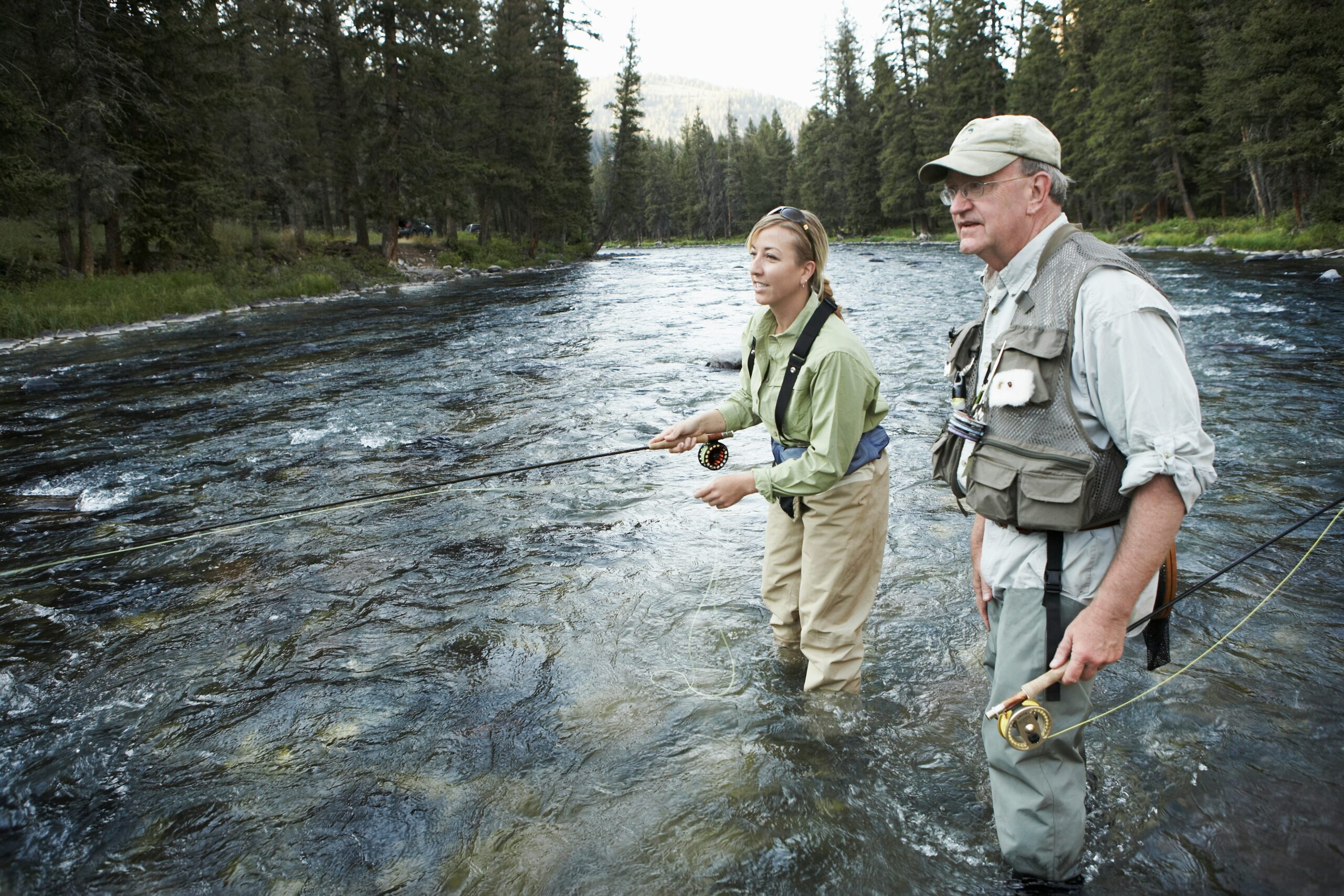
Fly fishing can look complicated when you first see someone working a line across the water. The long rod, floating line, tiny flies, and careful movements may seem difficult to master. In reality, beginners can learn the basics with patience and regular practice. You do not need expensive equipment or years of outdoor experience. You simply need to understand a few core skills and spend time learning how fish behave.
Unlike many other forms of fishing, fly fishing focuses heavily on presentation. Instead of relying on the weight of a lure, anglers use the fly line to deliver a nearly weightless artificial fly. This creates a quiet and natural presentation. Whether you plan to fish mountain streams, rivers, ponds, or lakes, learning the fundamentals will make your first trips more enjoyable and productive.
Understanding How Fly Fishing Works
Fly fishing uses artificial flies that imitate insects, small fish, or other natural food sources. These flies are usually very light. Because they have little weight, the fly line provides the energy needed to carry them through the air. The angler controls the line with smooth casting movements before placing the fly near feeding fish.
The goal is not simply to throw the fly as far as possible. Accurate presentation matters more than distance in many situations. A fly that lands gently in the right location can attract fish even when the cast is short. Beginners should therefore focus on control, timing, and accuracy before worrying about long casts.
Choosing Beginner-Friendly Fly Fishing Gear
A basic fly fishing setup includes a fly rod, reel, fly line, leader, tippet, and flies. Beginners should choose balanced equipment designed to work together. A five-weight rod around nine feet long is a common starting point because it works well for many freshwater situations. It offers enough flexibility for smaller fish while providing the strength needed for larger catches.
Comfort and simplicity should guide your first equipment choices. You do not need the most expensive rod or reel available. A quality beginner combination can provide everything needed to start learning. Polarized sunglasses can also help reduce glare and make it easier to see fish, rocks, and changes in water depth while protecting your eyes from hooks.
Learning the Basic Fly Cast
Casting is one of the first skills every new fly angler needs to practice. The basic overhead cast involves moving the rod backward and forward while allowing the line to straighten between each movement. Smooth acceleration matters more than force. Trying to cast too aggressively often creates poor loops and causes the line to fall unevenly.
Beginners can practice casting on an open lawn before visiting the water. Remove the hook or use a small piece of yarn at the end of the leader for safety. Focus on forming controlled loops and allowing the line to straighten behind you before starting the forward motion. Short practice sessions often produce better results than hours of frustrated casting.
Selecting the Right Flies
Choosing flies can feel overwhelming because fly shops often carry hundreds of patterns. Fortunately, beginners only need a small selection to get started. Flies usually fall into three broad styles: dry flies, nymphs, and streamers. Dry flies float on the surface, nymphs imitate underwater insects, and streamers often represent small fish or other moving prey.
Local knowledge can make fly selection much easier. Ask a nearby fly shop which insects are active and what fish are currently eating. You can also watch the water for insects, rising fish, or other signs of feeding activity. Matching your fly to the available food improves your chances, but perfect imitation is not always necessary. Size and presentation often matter just as much.
Reading Water and Finding Fish
Successful fly fishing requires more than casting into random sections of water. Fish often hold in places that offer food, protection, and manageable currents. Look near rocks, deeper pools, undercut banks, fallen trees, current seams, and areas where fast water meets slower water. These locations can provide excellent feeding opportunities.
Spend a few minutes observing before making your first cast. Watch for rising fish, insect activity, shadows, or movement beneath the surface. Approach carefully because fish can detect sudden motion and vibration. Staying low and moving quietly can improve your chances, especially in clear streams where fish have a wide field of view.
Presenting Your Fly Naturally
A natural presentation is one of the most important parts of fly fishing. When using dry flies or nymphs, anglers often want the fly to move with the current without unnecessary pulling from the line. This natural movement is known as a drag-free drift. Managing extra line helps the fly travel naturally through promising water.
Good presentation also requires careful positioning. Instead of standing directly behind the fish, consider approaching from downstream or from an angle that reduces the chance of being noticed. Make shorter, controlled casts whenever possible. Long casts create more line on the water, which can make controlling the fly difficult. Accuracy and natural movement usually produce better results.
Setting the Hook and Handling Fish
When a fish takes your fly, resist the urge to make a dramatic hook-setting motion. A controlled lift of the rod is often enough, especially when fishing for trout and other smaller freshwater species. Keep steady pressure on the fish while allowing the rod to absorb sudden movements. Your reel and line can help manage stronger runs.
Handle fish carefully if you plan to release them. Wet your hands before touching the fish to protect its natural coating. Keep the fish close to the water and minimize the amount of time it spends out of the water. Remove the hook gently, support the fish until it regains strength, and allow it to swim away when it is ready.
Staying Safe and Respecting the Water
Fly fishing often takes place around slippery rocks, strong currents, changing weather, and remote areas. Wear suitable footwear and avoid entering water that feels too deep or powerful. Beginners should take extra care when wading because moving water can be stronger than it appears. Carry basic safety gear and tell someone where you plan to fish.
Respect for the environment also matters. Follow local fishing regulations, license requirements, seasonal closures, and catch limits. Pack out fishing line and other waste. Avoid damaging streamside plants or disturbing wildlife. Responsible habits protect fishing areas and help ensure that other anglers can enjoy them for years to come.
Building Skills Through Regular Practice
No beginner becomes an expert during the first fishing trip. Missed casts, tangled leaders, lost flies, and unsuccessful days are normal parts of learning. Each trip teaches you something about casting, water conditions, fish behavior, and equipment. Pay attention to what works and make small adjustments rather than trying to master everything at once.
Fly fishing becomes more rewarding as your confidence grows. Practice casting, learn a few dependable knots, study local waters, and stay curious about the insects and fish around you. The goal is not always catching the largest fish. The quiet surroundings, careful observation, and satisfaction of improving your skills are important parts of the experience.